


Culture
The story of the Bracchi - when the Italians arrived in Wales
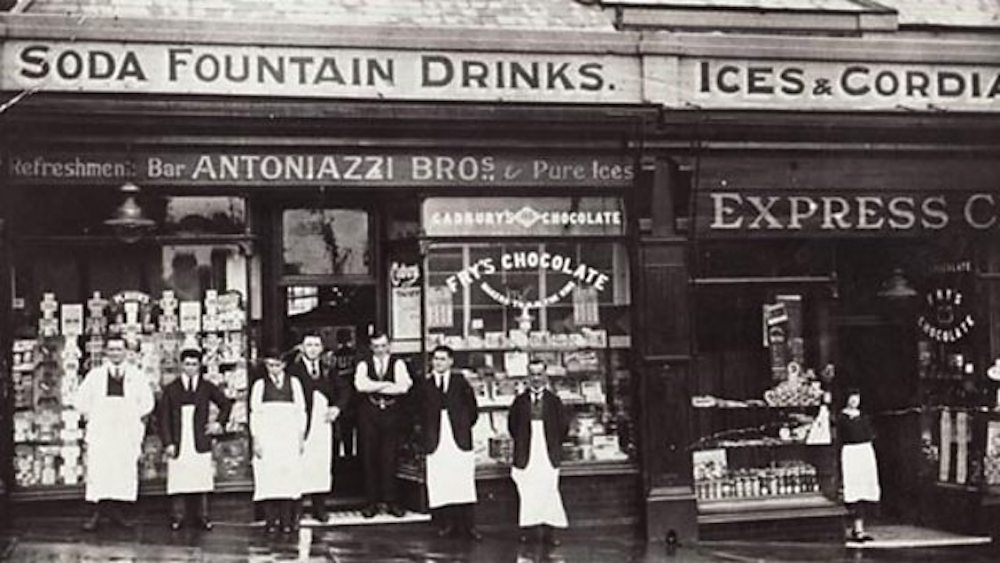
He didn’t know it at the time, but Giacomo Bracchi would pass into the annals of Welsh history as a trailblazer.
The cafe owner from Italy would lend his surname to describe those Italians who settled in Wales and set up cafes, ice cream parlours and fish and chip shops.
Most Italian immigration to Wales took place in the 19th and early 20th centuries and Bracchi was the first to launch a cafe business in Wales, in the Rhondda Valley.
Arriving in London in 1881, he initially made his living as an organ grinder, a popular Italian vocation.
The 20-year-old Bracchi stashed away enough funds to travel to Wales sometime between 1881 and 1893. Then in the 1890s, after possibly working in a coal mine for a short time, he opened the first Italian cafe and ice cream shop in the country.
Guiseppi Bracchi built a small empire. At its height, he operated a chain of nine shops. Such was his fame that Italian cafés were often called 'Bracchis'. According to the world food blog Food Passages his example was contagious as clusters of shops created by other enterprising families sprang up in the valley of South Wales.
They were part of a wave of Italian immigrants that flowed into South Wales in the late 19th and early 20th centuries, opening cafés and peddling ice cream in the towns of the industrialised valleys and in coastal communities of the region.
Immigrants to Wales came from all over Italy. But, in particular, they originated in the northern Appenine Mountain region of the country, many of them from the town of Bardi. The names of these new arrivals have since gone down in Welsh and Italian folklore. They were the Sidolis, Bracchis and Antoniazzis, people soon to be famous across the length and breadth of their newly adopted homeland.
It was a classic example of what became known as chain migration, where close connections are established between different parts of the world.
And in this case, a number of early successful cafes were established and word was sent back to Italy that help was needed.
The number of Italian cafés in Wales was more than 300 before World War Two, spawning some well known businesses.
The brothers Frank and Aldo Berni, who started in business in Merthyr Tydfil, went on to found the Berni Inn chain.
However the Second World War was a perilous time for Italian immigrants in Wales. Writing a BBC Wales blog about the Italians in Wales, the writer and historian Phil Carradice detailed how those without British citizenship were declared enemy aliens and a number were interned on the Isle of Man or in Canada. 53 Welsh Italians lost their lives in the sinking of the passenger ship Arandora Star in 1940. A memorial was placed in Cardiff Metropolitan Cathedral in 2010 to commemorate the tragedy. A memorial chapel is in the cemetery in Bardi.
[mid-content-banner]
Piece of history
In the years after the war there was a renewed burst of Italian immigration. Now they came to plug the gaps in British industry. They worked in industries such as mining, tin plating and in agriculture. Of course, they continued to run cafes, establishments that were in as much demand then as they had been in the pre-war days.
Most sources refer to the Bracchis, the Bernis and the Rabaiottis as the first Italians in South Wales at the turn of the 19th Century. There were Italians before then, but these were the first Italians to open refreshment and confectionary shops in the region. Approximately 80% of them coming from Bardi.. The remaining 20% came from the south of Italy, particularly Picinisco and Atina.
They escaped the very poor conditions of their farming lands. They heard stories that workers in Wales were paid in gold. Although this was no doubt ‘black gold’ from the coal mining boom. The news of the industrial boom in South Wales came via the sea to Bardi.

There was a time every little town and community in Wales had an Italian cafe and ice cream parlour. Although many of them have now disappeared, dispossessed and superseded by giant multi-national chains, the memories remain, not just of the cafes but also the people who ran them and provided a unique service for the men, women and children of Wales.
In these cafes adults could sit and discuss the issues of the day. Children could swoop excitedly on the ice cream cones and wafers. And, in the background, the huge silver coffee machine would hiss and rumble like a spaceship ready for lift off.
The Italians have made an important and significant contribution to Welsh life. They have added to the culture and brought colour and, sometimes, luxury to a people who sorely needed it. They are, quite simply, part of Wales.
To walk into those cafes that still remain, is like walking into a piece of history.
In many cases they are a great legacy of Wales' industrial past.
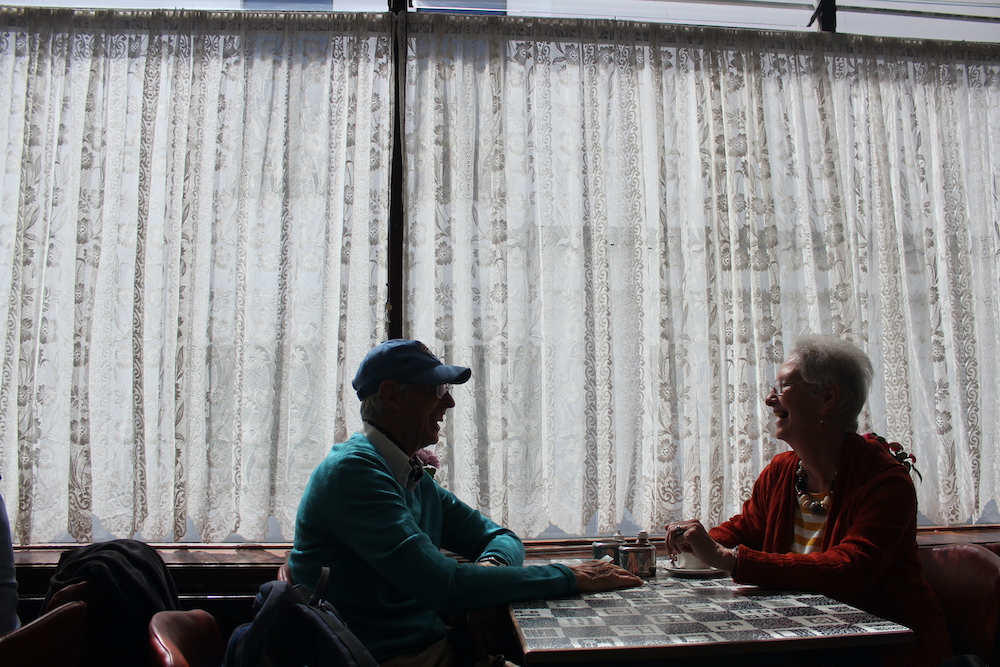
But they are also living, thriving businesses that have become part of the fabric of the communities they have served for generations.
They are we, and we are they.
When Italy play England in the Euro 2020 final there are many in Wales who will need no persuasion in deciding who to support.
All we will say is... Forza Italia!
Notable Welsh Italians:
Boxer Joe Calzaghe
Member of Parliament for Gower, Tonia Antoniazzi
Actor Victor Spinetti
Boxer Enzo Maccarinelli
Musician Pino Palladino
Footballers David D'Auria and Donato Nardiello
Rugby players Robert and Peter Sidoli
Artist Andrew Vicari
Chefs Michael Bonacini and Michele Chiappa
Restaurateur Giovanni Malacrino
The project to photograph the remaining Italian cafes of South Wales
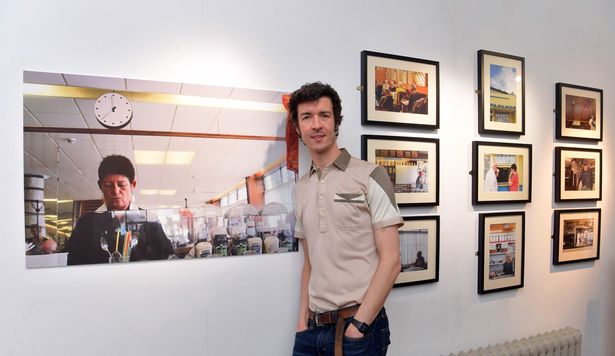
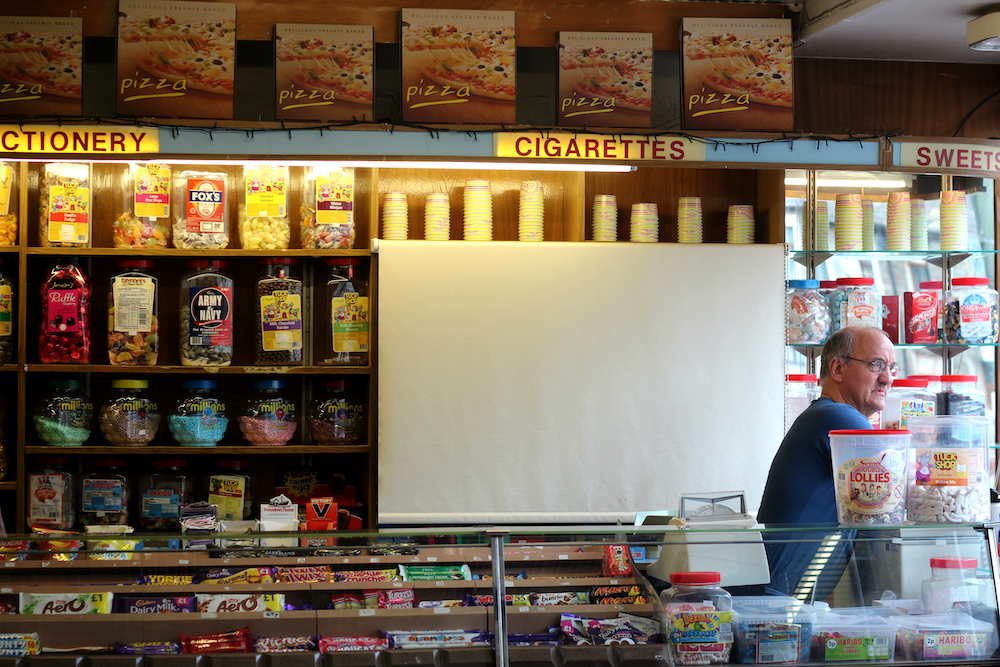
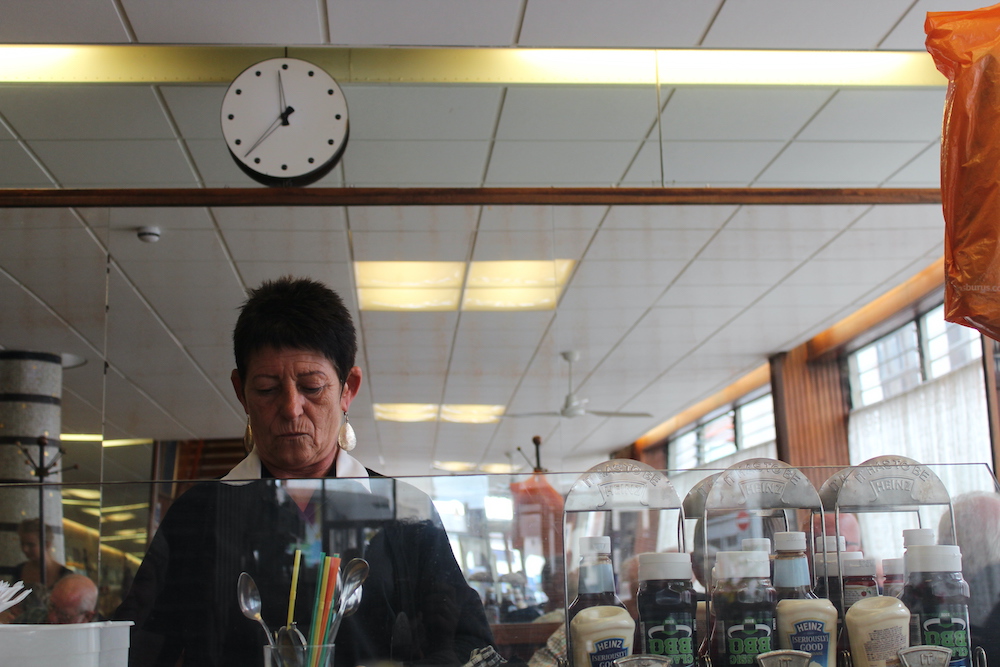
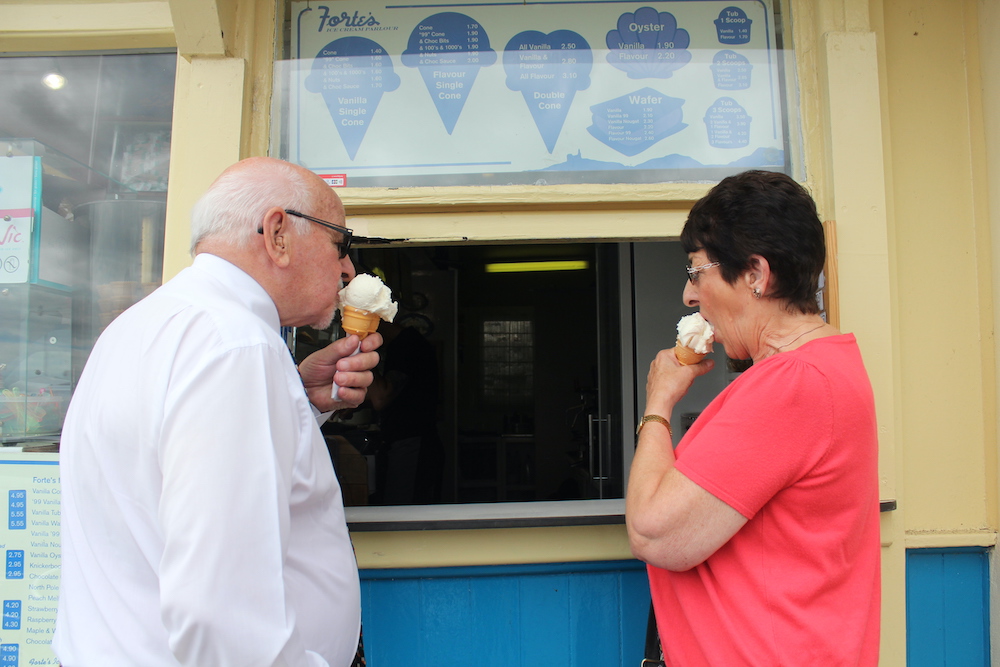
Photographer Huw Meredydd Roberts has spent the last few years documenting the characters who frequent some of the the remaining Italian cafes for an ongoing project.
“From the late 19th century until the mid-20th century, hundreds of individuals and families from Italy made their way to the bustling valleys of south Wales," said Huw.
“The Italians were warmly welcomed as they opened cafes across the land. Long before Costa, Starbucks and Nero, the names of Sidoli, Gambarini, Conti and Bracchi were well known in Wales, and it’s estimated that around 300 Italian cafes once served the eager population of the industrial south.
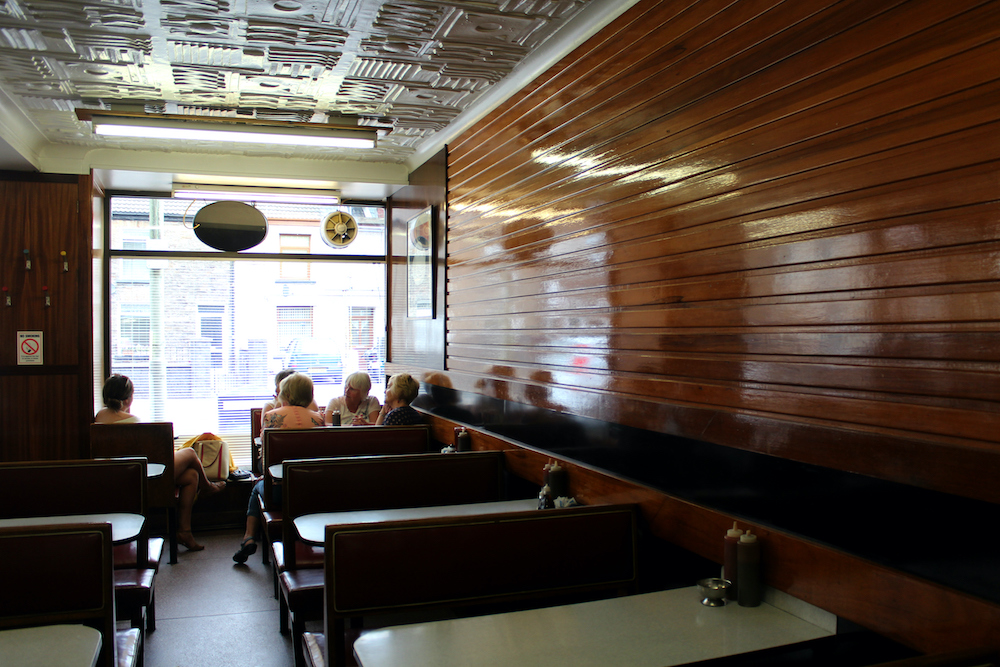
“Today, however, only a few of the original cafes remain. These photographs document some of the remaining few - a reminder of a proud legacy that refuses to die.
“As we bear witness to a creeping homogenisation of town centres, these original Italian coffee shops represent bastions of a unique tradition. They have in common a sense of familiarity, drawn on a shared history, and they remain family affairs run by second, third and fourth generation Welsh Italians.
“Hopefully, this project highlights some of the places and people who keep this glorious tradition alive in south Wales.”
View more of Huw's photographs HERE

Support our Nation today
For the price of a cup of coffee a month you can help us create an independent, not-for-profit, national news service for the people of Wales, by the people of Wales.
Get more trusted Welsh news
Choose Nation.Cymru as a preferred source in Google News to see more of our journalism.
