
Culture
Role of Wales in World War II ‘severely neglected’ according to new book
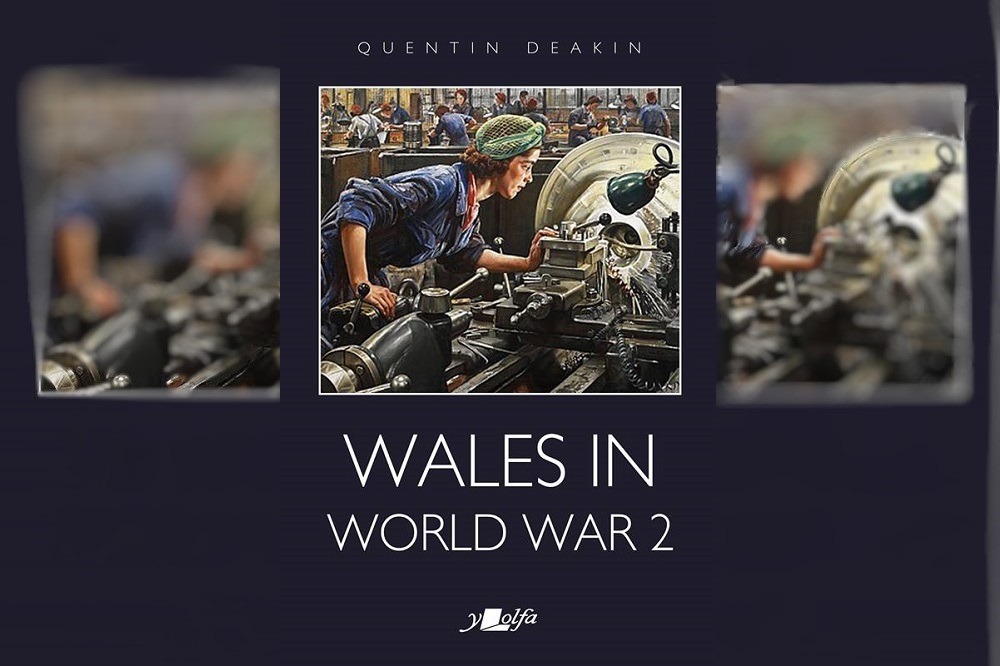
A new book about the Second World War suggests that the role that Wales played in the war effort has been ‘severely neglected.’
In Wales in World War 2, author Quentin Deakin argues that Wales’ role in the war and its impact on the people and landscape of the nation has been disregarded.
[mid-content-banner]
Anglo-centric history
Taking a fresh look at the subject, Dr Deakin argues that neither Welsh nor English historians have shown the extent to which Wales was vital to the British war effort.
He said: “Previous books have tended to concentrate on south Wales or have rolled together England and Wales into an Anglo-centric national history.
“As in England, the whole of Wales was caught up in the demands of war in multiple ways. Once you start to look, wherever you live in Wales, an impressive war heritage can be found, leading some archaeologists to conclude that the world wars, occurring in quick succession, made a greater impact on the physical landscape of Wales than any other event of modern times.
“It’s impact on the people of Wales was equally dramatic.”
Wales in World War 2 looks at the impact of the conflict from every angle. The author has drew on local studies, archival resources and oral histories, including fresh interviews with those who were children during the war.
Wales pioneering
Sources from across the country and beyond have been collected and assembled to demonstrate that far from being peripheral, Wales was central to the war effort in several ways, including hosting secret weapons establishments of global significance.
Dr Deakin said: “The war provided employment for millions of civilians, in war factories, foundries and mines, the civil service, engineering, technical instruction, and the creative industries.
“It will be seen that in some of its weapons research, Wales was ahead of the rest of the world. It was also vital to the war economy, had a key role in the training of forces, and hosted evacuations of vital importance for the survival of the country.
“A disproportionately high number of secret military sites were located west of Offa’s Dyke. However, all assumptions that it was a safe haven were proved wrong when it too became a potential target for invasion in 1940.”
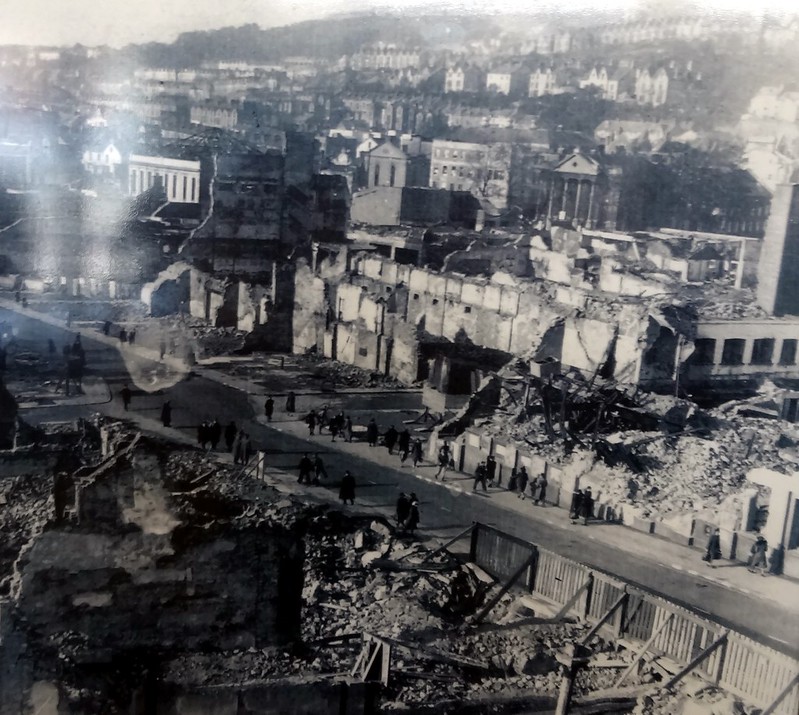
Dr Deakin added: “Social changes were also bound up with the war, as the movement of allied armies and evacuees caused the greatest international migration it had ever seen, challenging social and cultural norms and changing the demography of Wales.”
Chapters cover every region of Wales and every aspect of life, for both military personnel and civilians.
In her Foreword for the book, Sian Nicholas, Professor of Modern British History at Aberystwyth University says this is “…not the generalised wartime ‘Britain’ still typical of so many narratives, but an account focused on the people, the communities and the geography of Wales… Wales is presented here not just as a constituent element of the British war effort in World War 2, but as a distinct entity for which the war represented unique linguistic, social, political, and cultural challenges.”
Wales in World War 2 by Quentin Deakin (£14.99, Y Lolfa) is available here now.
Support our Nation today
For the price of a cup of coffee a month you can help us create an independent, not-for-profit, national news service for the people of Wales, by the people of Wales.
Get more trusted Welsh news
Choose Nation.Cymru as a preferred source in Google News to see more of our journalism.