


Culture
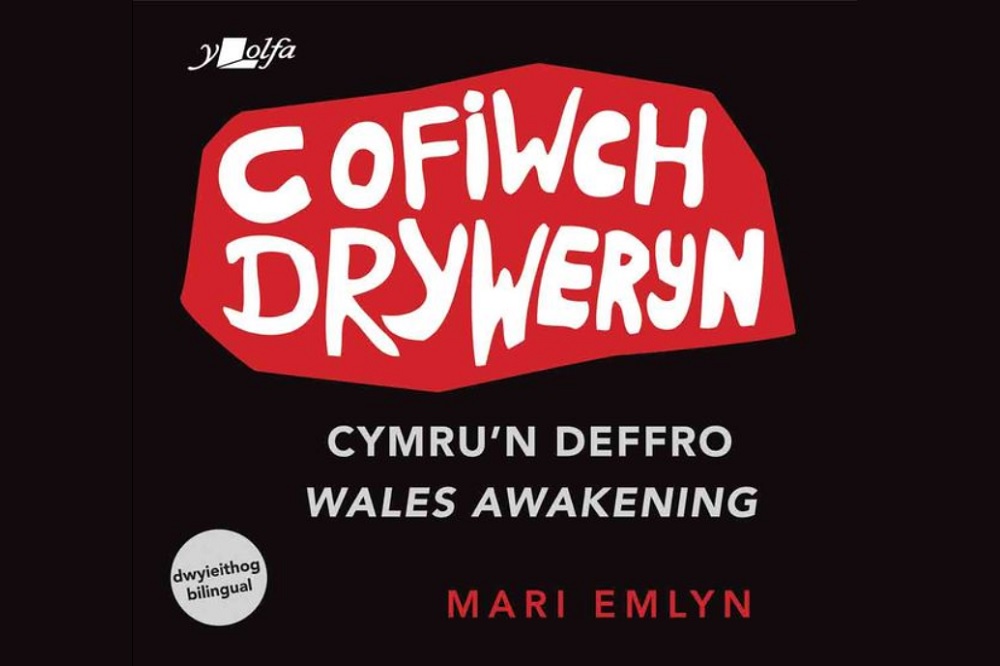
Review: Cofiwch Dryweryn: Cymru'n Deffro / Wales Awakening
Jon Gower
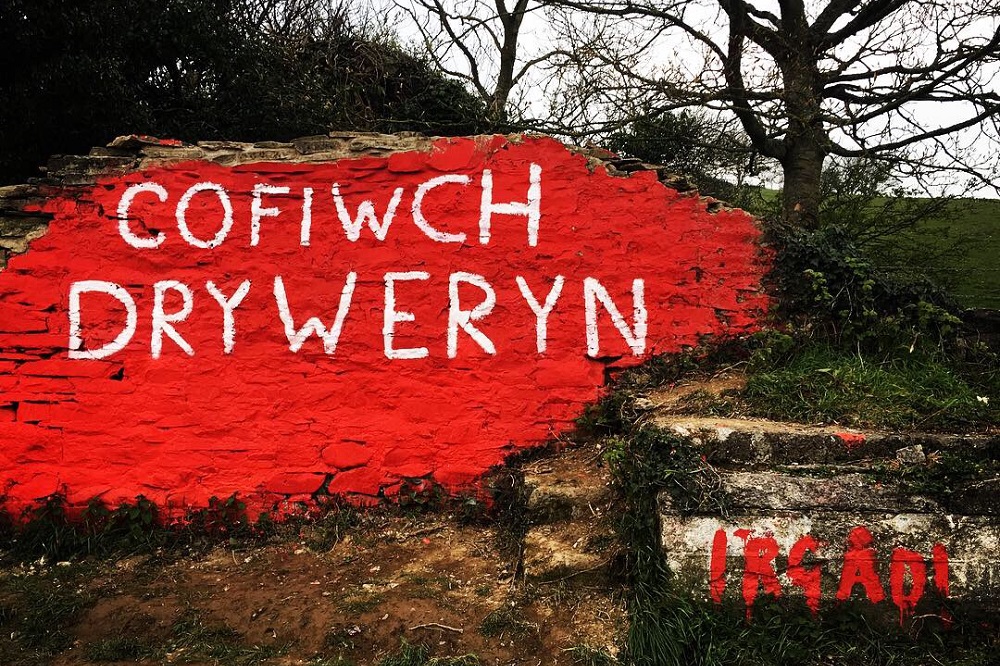
Two words, painted white against a red background, seem on the face of it a simple graffito. ‘Cofiwch Dryweryn.’ They exhort us to remember Tryweryn and the drowning of the farming community of Capel Celyn in the 1960s to supply water to Liverpool Corporation.
But as this book suggests, the rash of painted slogans that broke out across Wales this year, in 2019 are much more than that. The words seek to remind us of the iniquities of the past even as they shore up a defiant spirit as the country faces the future. Painting them in over thirty locations, from Monmouth to Anglesey, from Cwmbran to Cardiff’s Millennium Walkway, adds up to a collective utterance, a veritable Spartacus moment in the national consciousness.
The original mural was painted in 1963 on a rock face at Troedyrhiw, adjacent to the main road between Llanrhystud and Aberystwyth by the poet Meic Stephens and a group of friends. Stephens described the two words as ‘my most famous declaration, my most eloquent poem, my most important political act.’ It duly weathered the test of time until, that is, early this year when it was vandalised.
Following the vandalism another crew of young men from the Aberystwyth area decided to repair the mural. So, under cloak of darkness they applied a covering of red paint to the rock, retired to the Llew Du in the village for the night and then painted on the letters the following day.
Their restorative action touched a nerve with messages of support from all over the place. In Chicago, residents of the city who were originally from Ceredigion, got out their paints. In schools from Flint to Pentruchaf the slogans went up.
Poignant
Mari Emlyn, who is to be heartily congratulated for collating this rapid-turn-around account of the phenomenon, details how the act of restoring the Llanrhystud mural encouraged others. Soon murals were appearing right across the country, on beach huts in Nefyn and roadsides on deeside and near Merthyr, Llangollen, Llanbrynmair and Whitland.
A farmer near Capel Iwan couldn’t sleep while waiting for a cow to calve and decided to decorate an old milk stand with the iconic words. In Machynlleth the only red paint available was from the high end range made by Farrow and Ball, costing a lot at £20 a pot but luckily the brushes and rollers were sourced from Pound Shop. On Mynydd Llangyndeyrn three senior citizens, the oldest an octogenarian sloganized the bus shelter on the common, only to be followed, within a week or so with a smaller slogan on a slate, encouraging people to remember Llangyndeyrn, too, as commemoration of a successful struggle to avoid the same fate as Capel Celyn.
The most poignant contributions to the book come from people such as Eurgain Prysor. She was just three years old when she took part in protests against the plans to inundate the valley, carrying placards through the streets of Liverpool as its citizenry spat at her. She remembers the speed at which the village school was demolished, not even allowing pupils the time to take their pictures from the walls. After the flooding her family was forced to live in a caravan.
The pain in her account of the events is palpable. The closing of the chapel and school, along with the exhumation of bodies from the cemetery is rendered more than tragic when one reads that Liverpool didn’t even need the extra water and it was only requisitioned to generate a profit.
Similarly, an essay by Gwyn Roberts, the son of Martha Roberts, the headteacher of Ysgol Capel Celyn describes the stoic way his mother tried to shield her young wards from the fears and nightmares that beset them. The photographs which document the protests, the flooding and its aftermath fair tug at the heart strings while Elwyn Edwards, who was raised in Fron-Goch, half a mile from the reservoir is similarly affecting as he describes a walk along the water’s edge:
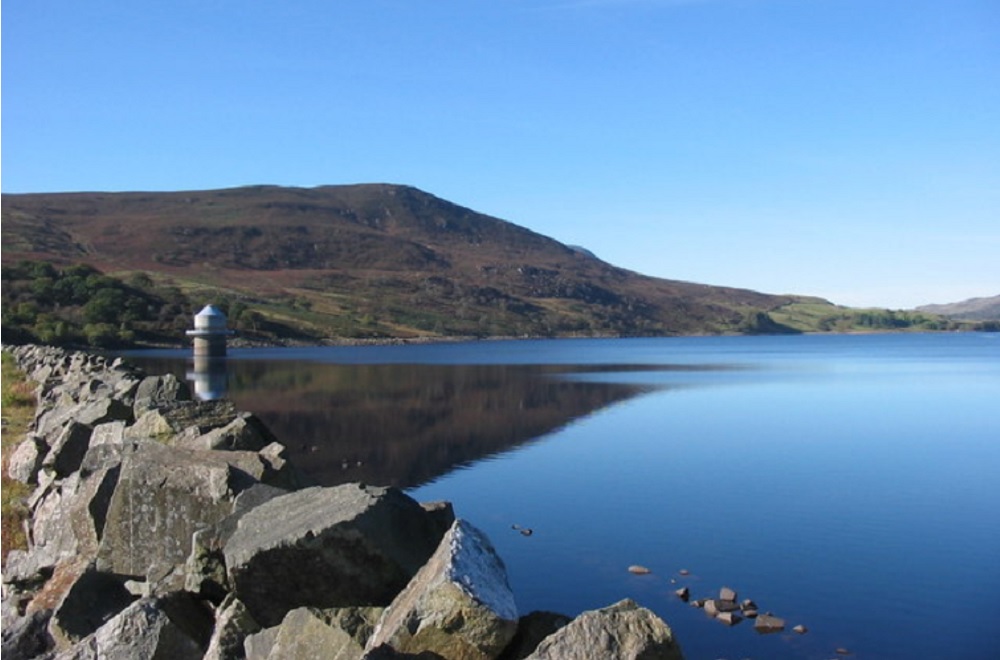
“A centuries old community, culture and way of life had been destroyed by the Englishman’s inherent greed. The whole place was like a large bowl and the silence was dreadful. There was no movement of any sort, not one bleat, not one bird trill. Only an explosive silence through the whole valley, as if death itself has swept through it and devastated everything in its path.”
Action
One of the key messages signalled by Mari Emlyn is that a story such as the drowning of Tryweryn needs to be shared nationally just as the children of the south of Wales need to know about the slate industry and the pupils in the north of the country need to learn about coal and it is a matter or pride, Emlyn avers, that ‘children in Gwent have embraced a story that originated in Meirionnydd, recognising the relevance of the warning that Cofiwch Dryweryn has for their community.’
This superbly designed and deeply touching volume is both a klaxon warning and respectful commemoration of a community which in its drowning became a touchstone to action. There are murals in Swansea, on the walls of a small barn in Powys and on the facade of the Sain recording studio in Llandrwog where the single ‘Dŵr’ was recorded by Huw Jones, the pop equivalent to the words on the walls. The words resonate still, as if the silence of the drowned valley, noted so tellingly by Elwyn Edwards, will certainly be resisted.
It is perhaps no accident that most of the new murals have been painted by young people who weren’t even born when Liverpool Corporation turned Capel Celyn into a drowned village, and Tryweryn became, in poet Emyr Oernant’s words ‘the home of hiraeth.’ Perhaps the actions of a new generation of activists, armed simply with brushes and paints, speak louder than words.
Cofiwch Dryweryn: Cymru'n Deffro / Wales Awakening is published by Y Lolfa, costs £7.99 and can be bought here.

Support our Nation today
For the price of a cup of coffee a month you can help us create an independent, not-for-profit, national news service for the people of Wales, by the people of Wales.
Get more trusted Welsh news
Choose Nation.Cymru as a preferred source in Google News to see more of our journalism.
