


Culture
A lack of positive portrayals of Welsh life on TV may explain why we take comedies so seriously
David Rees
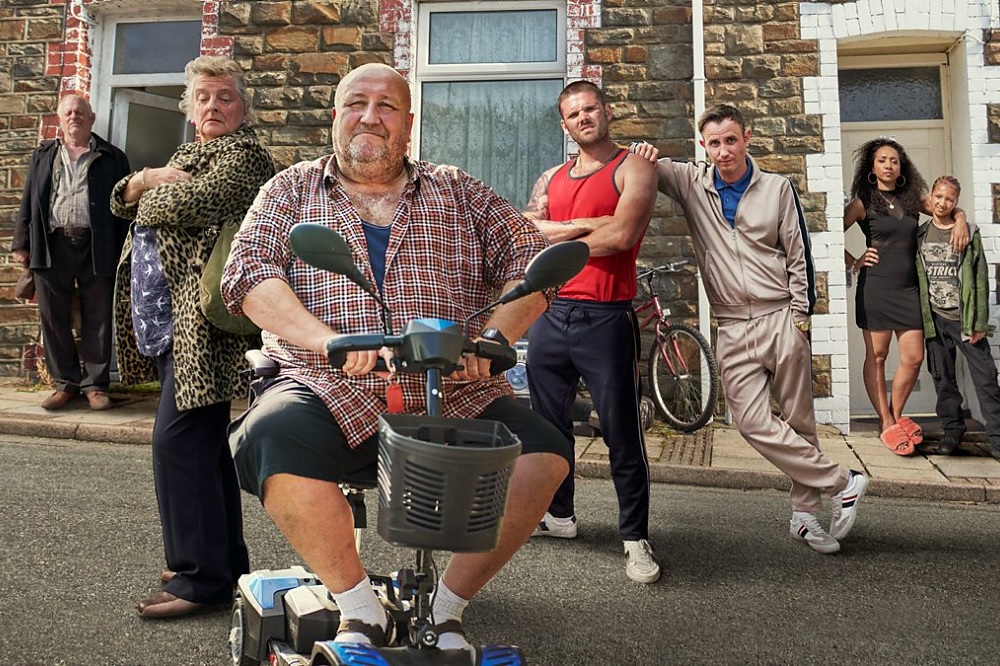
The Tuckers is that rare beast, a new sitcom from BBC Wales, written, produced and performed in Wales by a Welsh writer and performers, continuing the resurgence of Wales made, English language TV comedy begun by Tourist Trap last year.
These are the first shows since the end of Boyd Clack’s popular High Hopes where the BBC has produced anything comic for Wales, though this hiatus at least began after the demise of Barry Welsh is Coming, ITV Wales’s own last effort.
This should be a reason for us to celebrate, especially since BBC Wales hasn’t produced much of a dramatic or amusing nature specifically for Anglo-Welsh broadcasting since they became the home of many major UK productions, famously including the likes of Dr. Who and Sherlock.
The trailer has been widely shared and discussed on social media already, but almost exclusively with a swathe of negative comments of a similar yet perhaps more extensive outpouring than that for the beginning of Tourist Trap in 2019.
Whilst Tourist Trap went down a familiar route occupied by other BBC efforts like W1A or the American show Parks & Recreation, set-piece sitcoms starring a cavalcade of big ill at ease characters, The Tuckers seems more akin to the popular half Welsh comedy behemoth Gavin & Stacey, a family and/or friends group offering a fly on the wall peek into their private lives.
Though far from new ground, much of the reaction on social media has gone beyond accusing the creator Steve Spiers of lazy writing and broad laughs, with some accounts essentially accusing The Tuckers of besmirching Wales generally and the Valleys in particular.
And this sort of reaction has been far from unique to BBC Wales’s new funny efforts, but covers all recent inclusions of Wales in TV’s various comedy outputs. To take just one example, there was Welsh Twitter’s wall of anger at the bilingual road sign joke in the recent Gavin & Stacey one-off special, a joke contrived for a character written to be antagonistic and a little lacking in self-awareness, and visually shown to be found uncomfortable by Uncle Bryn et al, yet someone who’d not seen it before reading twitter might assume she’d been filmed laughing hysterically whilst urinating on Hedd Wyn’s Bardic Chair at the Eisteddfod.
All this concentration on one joke meant everyone almost overlooked another designed almost exclusively for Welsh eyes only - brilliantly offering a nod to S4C’s C’mon Midffild.
[mid-content-banner]
Power
Looking at the various outrages people throw at the likes of Tourist Trap, Gavin & Stacey and now The Tuckers, the consensus seems to be that they show a lack of respect for Wales and the Welsh in order to use them as the butt of, rather than included in, the joke, relying on stereotypes portraying poor and feckless working-class idiots that generally belittles Wales into a laughing stock that the rest of the UK can enjoy at our expense.
In the current case of The Tuckers, others on social media have of course countered them by pointing out it’s just some comedy that’s not worth the hassle of getting annoyed at before most have even seen a full episode, which is a reasonable response, but it’s one that doesn’t try to fathom why people are so angry in the first place.
TV is perhaps the most powerful format now, when it comes to validation in society. It’s why members of the LGBT+ community welcomed the first non-heterosexual kisses and non-straight couples across various genres. It’s why the increasing presence of black actors in major roles are celebrated and encouraged further. It’s extremely easy to think your existence is being disregarded as nothing worth verification by our society if you cannot see yourself reflected in it, and, such is the power of television to achieve this for millions of people of all varieties, it’s easy to understand why we’re seeing this emotional rather than critical reaction to some bog-standard comedies.
This angry Welsh backlash can be understood through Boyd Clack’s character Gwyn in Satelite City, from the episode ‘Love and Rugby’. During a 6 Nations game, almost all the main male characters are amassed in front of the TV as Wales take an early lead, only for England to run in a huge try; Gwyn reacts like a broken man, pouring out a monologue on how they’ll show that clip constantly to further erode Wales’ weak hold on nationhood.
We laugh, but how many of us laugh in sympathy? How many see something that hugely defines them, their language, the people they love, the place they call home, getting used for what feels like cheap laughs in a way that devalues them personally, and wouldn’t react without emotion? If we don’t see more positive portrayals of and by the Welsh on TV, why would some not gnash their teeth when another negative portrayal pops out instead?

Support our Nation today
For the price of a cup of coffee a month you can help us create an independent, not-for-profit, national news service for the people of Wales, by the people of Wales.
Get more trusted Welsh news
Choose Nation.Cymru as a preferred source in Google News to see more of our journalism.
