


Sport
‘Brazen All Blacks cheated Wales out of a deserved victory’
David Owens
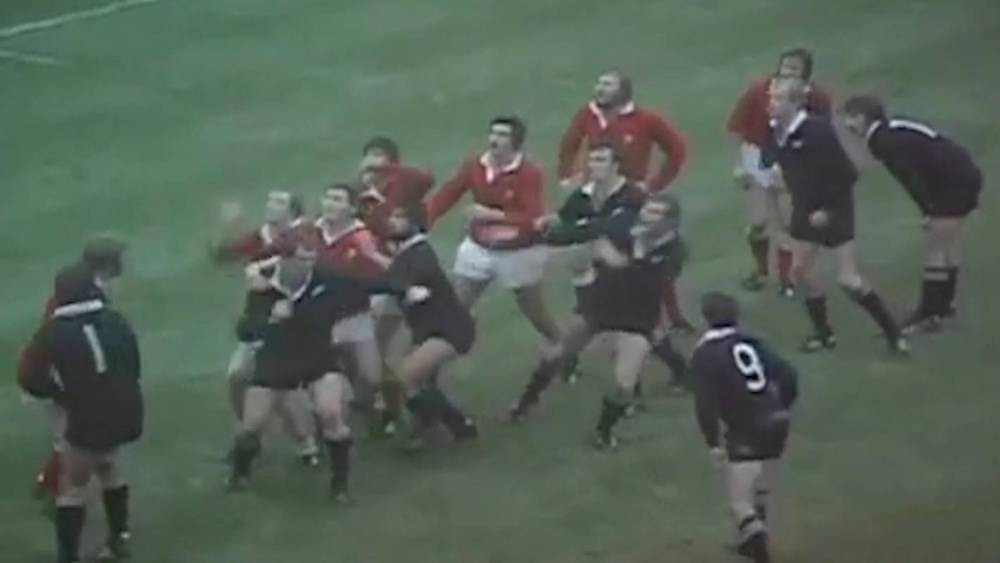
When Wales take on the All Blacks at the Principality Stadium today, there's unlikely to be the same sort of controversy that dogged their infamous clash 43 years earlier - in a match that is rightly viewed as the most notorious both sides have ever played.
Then Wales were cheated of a famous win by a cynical act of deception by the All Blacks, which still rankles to this day.
It’s especially painful for Wales legend Steve Fenwick, the former centre who would play for Wales in both rugby union and rugby league, one of the stars of the game against the All Blacks.
A key member of the Welsh team that won two Grand Slams and four Triple Crowns in the late 1970s, he confesses his greatest rugby regret is losing to New Zealand in 1978 when the controversial last-gasp penalty robbed his side of a deserved victory.

Writing in his newly published autobiography ‘Dragons and Lions - My Life in Rugby’, the former Welsh captain recalls how, with just a couple of minutes to play, Wales were leading 12-10 and heading to their first victory over the All Blacks since 1953.
Unfortunately the opposition found a way to win. Controversially it came in the form of a lineout ruse delivered by New Zealand players Andy Haden and Frank Oliver, purposefully enacted to deceive the referee.
“Haden theatrically dived out of the line as if he’d been hit by a sniper, quickly followed by Frank Oliver,” recalls Fenwick.
The dive worked a charm, leading to a penalty for the All Blacks, which was converted to give them a narrow 13-12 victory.
Fenwick believes the pre-planned actions were a disgrace, and a shock to see for the first time such blatant cheating in international rugby.
More pertinently, he reckons that this was the end of amateurism and the start of professionalism in rugby union.
“I firmly believe that Frank, who we all now know had discussed a last-minute act of skulduggery with Haden, indulged in football tactics by over exaggerating the contact with (Wales forward) Geoff Wheel which triggered the referee into giving a penalty.
“He conned the referee plain and simple,” adds Fenwick. “It could be said that the incident illustrated the clash of old-school amateurism in the form of (referee) Roger Quittenton, who was too naive to ever imagine a rugby player making such a blatant attempt to mislead him, and the win-at-all-costs ‘professionalism’ of the All Blacks. It was a disgrace. It was an incredibly frustrating ending to a fabulous game of rugby.”
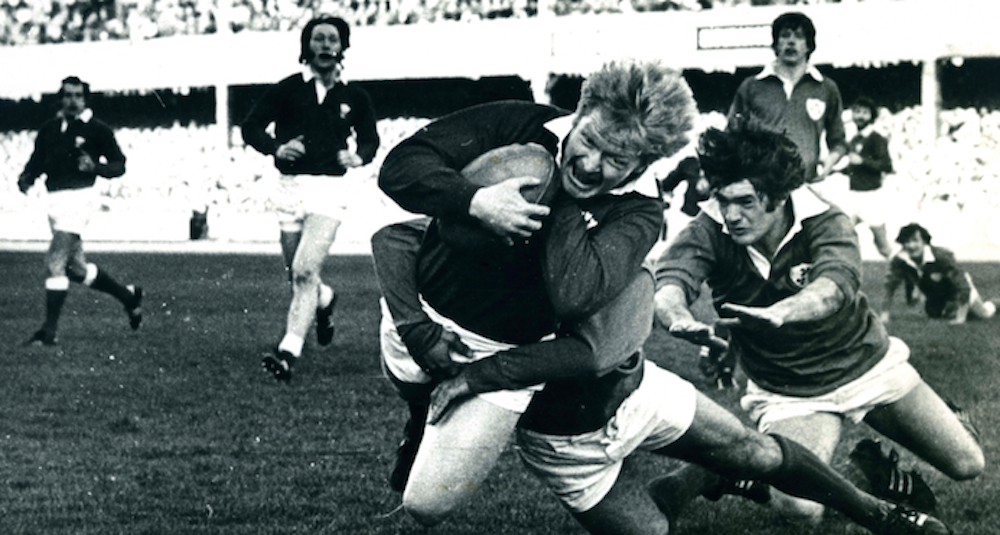
With two well-matched sides, the game was a very close-run contest and it went right down to the wire.
“Don’t get me wrong, New Zealand rarely fielded a poor side and that team of 1978 was a class outfit, but we believed that we were the better team and deserved the victory,” says Fenwick.
“We were champions of the northern hemisphere having won the Grand Slam a few months earlier. The changing room was silent for quite a while as we gathered our thoughts.
“We felt as if we’d been kicked in the guts, denied our first win against the All Blacks since 1953 and, worst of all, there was nothing we could do about it. It was just so brazen.”
[mid-content-banner]
Bad atmosphere
At the after-match dinner that evening, the Welsh players were still simmering at being cheated out of a famous win.
“When we sat down opposite the New Zealand players, there was definitely a bad atmosphere as we dined face-to-face with our opponents, until Geoff Wheel cut through the tension when he loudly requested in front of all the players, ‘Andy, could you dive over here with the salt, and you Frank, can you dive over here with the pepper!’
“It melted the ice-cool atmosphere and brought laughter from both sets of players. Losing to New Zealand in that manner is still a huge regret in my rugby career, even after all these years, we were so close, yet they found a way to win.”
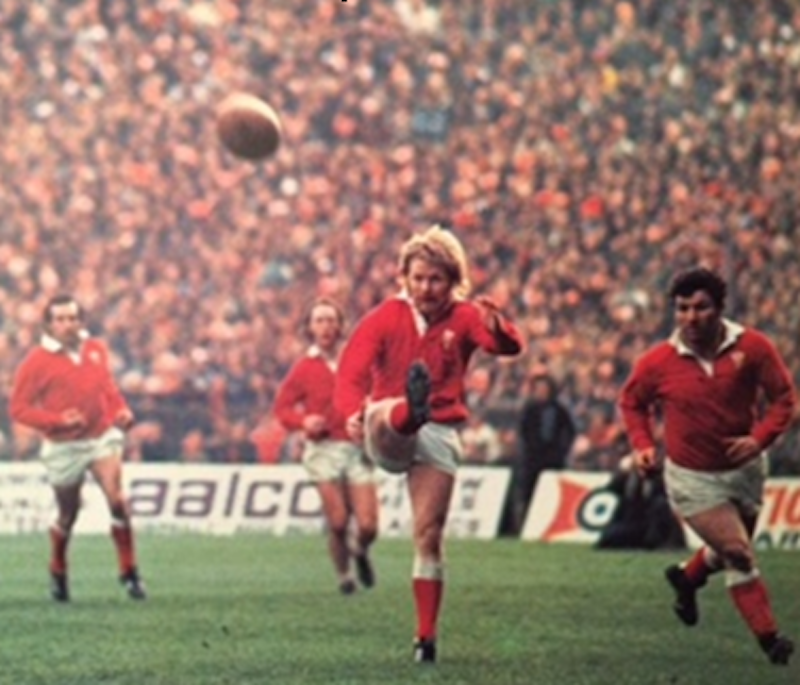
All these years later the defeat still hurts.
“The fact that the players (Haden and Oliver) later wrote about the incident in a book and openly admitted their plan to dive out of the line is still hard to stomach. We just had to take it on the chin,” says the former centre who won 30 caps for his country, amassing 152 points.
“We assumed there’d be another opportunity to avenge the defeat before too long, but it turned out to be the closest Wales would get to beating the All Blacks wasn’t until 2004 when we again lost by a single point (25-26).
“For me, 1978 was the best chance I’d ever had to beat New Zealand wearing a Wales jersey.”
Dragons and Lions – My Life in Rugby is out now. Published by St. David’s Press in paperback, priced at £13.99. It is also available as an eBook priced £9.99.

Support our Nation today
For the price of a cup of coffee a month you can help us create an independent, not-for-profit, national news service for the people of Wales, by the people of Wales.
Get more trusted Welsh news
Choose Nation.Cymru as a preferred source in Google News to see more of our journalism.
