


Opinion
Welsh history should be taught in England too
Stephen Price
Earlier this year, I received a press release from an England-based charity that was, shall we say, a little insensitive about Wales.
The charity that shall remain nameless contained a series of errors, from its use of a non-existent county, to terminology that applied to only one region (and not the location intended), but its most glaring red flag was its entire reasoning, namely Welsh land purchase.
My ears pricked at the chance to spin the story another way as journalists must, to capitalise on the clunks and make a much more clickable story.
But being the softy I am, and recognising an earnestness and good intent for nature behind the piece, I contacted the group myself before putting pen to paper.
Following a back-and-forth with a Liverpudlian publicist, I mentioned some of the sensitivities we’d need to address to publish without the attack since the project is a good one, with nature and wildlife at its heart.
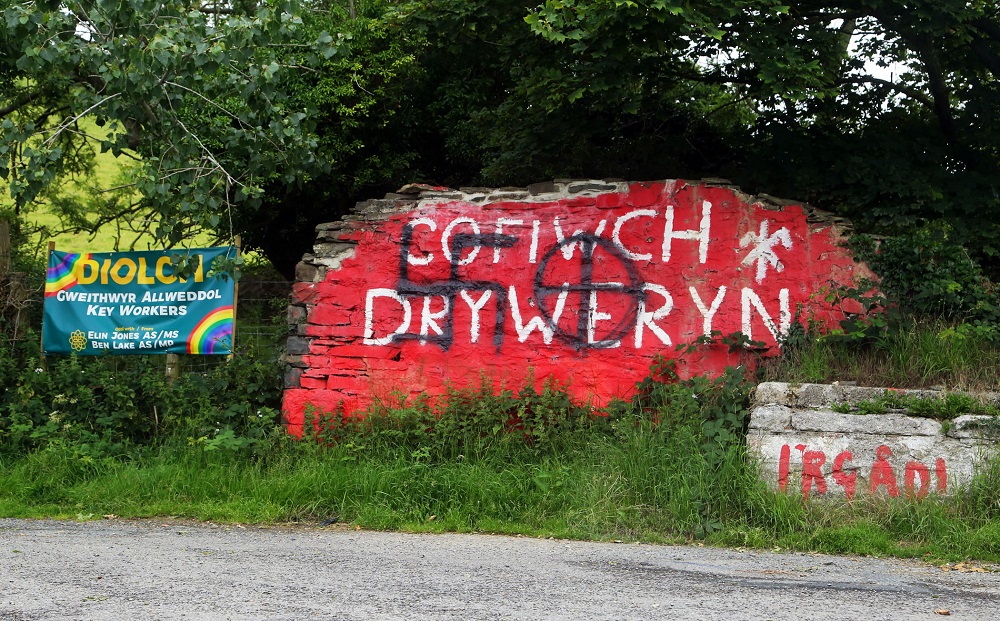
During one call, I casually discussed Tryweryn, assuming it would be an issue the publicist had heard of since, after all, Liverpool’s water supply trumped Welsh speaking villagers’ rights to live on their own land, but I was stunned to know that it was their first time hearing of the place.
The first time someone from an area which has directly benefitted from Wales' subjugation had heard of Tryweryn's drowning, its people's displacement, despite a national outcry which has echoed to this day.
Musing on the subject more than once since, however, I compared their lack of knowledge to my own.
An early 80s child, I wasn’t taught about Tryweryn in my edge-of-the-valleys high school, or in my village primary school beforehand.
Primary school was a chaotic joyful messy place, where us feral village folk pretty much got away with murder. It felt like playtime every day, creativity was paramount.
We had Eisteddfodau, we watched Stabec and had a smattering of ‘incidental’ Welsh language to use - yma, ga i fynd i’r ty bach etc, but Welsh history? Not much that I recall.
On to high school, and had I left it there, I’d be left thinking there was little else to the UK (primarily England that is) besides the Romans, the arrival of the Saxons, and then on to the Kings and Queens of England, the Second World War and a few detours by way of Thomas a Beckett, 1066 and the Bayeux Tapestry and, well, God knows actually.
Wales? If we got a mention, it might have been on the days I was pretending to be ill - usually a ‘bard’ (don’t ask me why) stomach. If it’s ‘bard’ not 'bad' for valleys-folk, you really meant it when putting on the act in the morning. but I digress…
Jokes and fake bad bellies aside, there was no Welsh history - the course of history that mattered was that of the Saxons; while the Scots, Irish and Welsh were generally not even worthy of a sub-plot. No battles between us, no Welsh princes or chieftains slain, no Welsh Not, no Blue Books, no Tryweryn nor Aberfan.
And tragedy aside, no pivotal Welsh cultural moments, successes, not even our own magnificent poetry, legend, industries, art, you name it.
On our own doorstep, we weren't taught about risings, bloody massacres, epic standing stones and stirring legends. How on earth, or more to the point, why on earth, was this allowed to continue for so long?
I can guess at why - I really can.
My adult life has seen me embrace Welsh history with an unquenchable thirst - I hunt down standing stones far and wide, visit old chapels, buy (emphasis on buy more than read, but aren’t all ‘readers’ the same?) books upon books of history, folklore, architecture, arts, textiles, people and place to fill gaps I feel compelled to fill.
I don't really do *star-struck* or hierarchy in general, but in my late teens, I met the late greater-than-great historian John Davies in Cardiff gay pub, The Golden Cross, and spent forever talking about my square mile which, why was I surprised, he knew like the back of his hand, as it was then, and as it had been many many years prior.
Wales owes a great debt to John and others who have documented our past for others to amplify nowadays, and it saddens me to think that it's only through my own thirst and endeavours, and through the writings of people like him, that I know what I know today (which, let's face it, mustn't even scratch the surface).
Back to my offence taken during the exchange then, how on earth was anyone at that charity in England to know?
Nicklas George from Welsh Histories shared the same experience as me, and most people from Wales until very recently.
He wrote: "During my schooling experience, I learned nothing about this history. In fact, the only bit of Welsh history that I remember learning during my five years at high school (and I did take the subject at GCSE level) was the Romans conquering our Brythonic ancestors; the so-called Welsh Tudor family annexing us and the working-class descendants of the conquered Welsh people being sent to die in World War 1 and World 2. Hardly a patriotic Welsh history, if you ask me.
"I learned nothing of Welsh heroes, such as Llywelyn Fawr in the north and Rhys ap Gruffydd in the south. Only recently, while looking for things to write about for Welsh Histories, did I discover the tragic warrior princess, martyr of Welshness that is Gwenllian. Betsi Cadwaladr. I thought that was the combination of two Welsh words used for the local health board – not an actual, brilliant and historic Welshwoman who deserves to be talked about at the same level of her rival, Florence Nightingale.
"Yes, we learned about Buddug (Boudica for some) during primary school, but she is often claimed by East Anglia – so we can’t even properly claim her as Welsh, despite her spoken language almost certainly having been Brythonic as opposed to Saxon, Norman or English."
Little wonder, then, that England's history lessons will be equally as devoid of Welsh perspectives and events, as they have been on home soil until relatively recently.
Wales today
Mercifully, things have changed in Wales, thanks in no small part to the Welsh Government - something we should be proud of, as easy as it is to always go for the ankles, although a new history GCSE due to be introduced in Welsh schools in September of this year will now be delayed after teachers said they needed more time to plan.
The decision follows concerns raised by teaching unions and stakeholders that the scale of changes to content and assessment would create a significant workload for teachers.
Qualifications Wales says the qualification will now be taught from September 2026 to allow for a “smoother transition” for staff and learners.
The new history GCSE includes greater focus on Welsh history and a broader range of topics.
The updated qualification is part of an overhaul of GCSEs under the new curriculum for Wales.
A Welsh Government spokesperson said: “Welsh history has been mandatory as part of the Curriculum for Wales since 2022: including learning about children’s own locality.
“Learners are taught how history, language, diversity and culture have shaped Wales to become the proud and unique nation it is today.
“We are working with Adnodd to support teachers with resources, advice and information.
“Qualifications Wales, as the independent regulator has developed new Made-for-Wales qualifications to align with the Curriculum for Wales. They have engaged extensively with teachers, universities, colleges and professional bodies.”
Plaid Cymru spokesperson for Education, Cefin Campbell MS said: “Understanding Wales begins with knowing our own history. Plaid Cymru has long championed putting Welsh history at the heart of our curriculum, so every young person grows up with a full understanding of our nation’s story.
“We’ve consistently pressed the Welsh Government to ensure it’s taught meaningfully and with pride in every school and forms part of our qualifications. In government, Plaid Cymru would make sure Welsh history is a core part of our curriculum and qualifications, supported, celebrated, and given the importance it deserves.”
Welsh history is not consistently taught in England, however, and when it is, it's usually integrated into broader British history, with little dedicated curriculum time.
There is no requirement for English schools to teach Welsh history, unlike the recent mandate in Wales to do so.
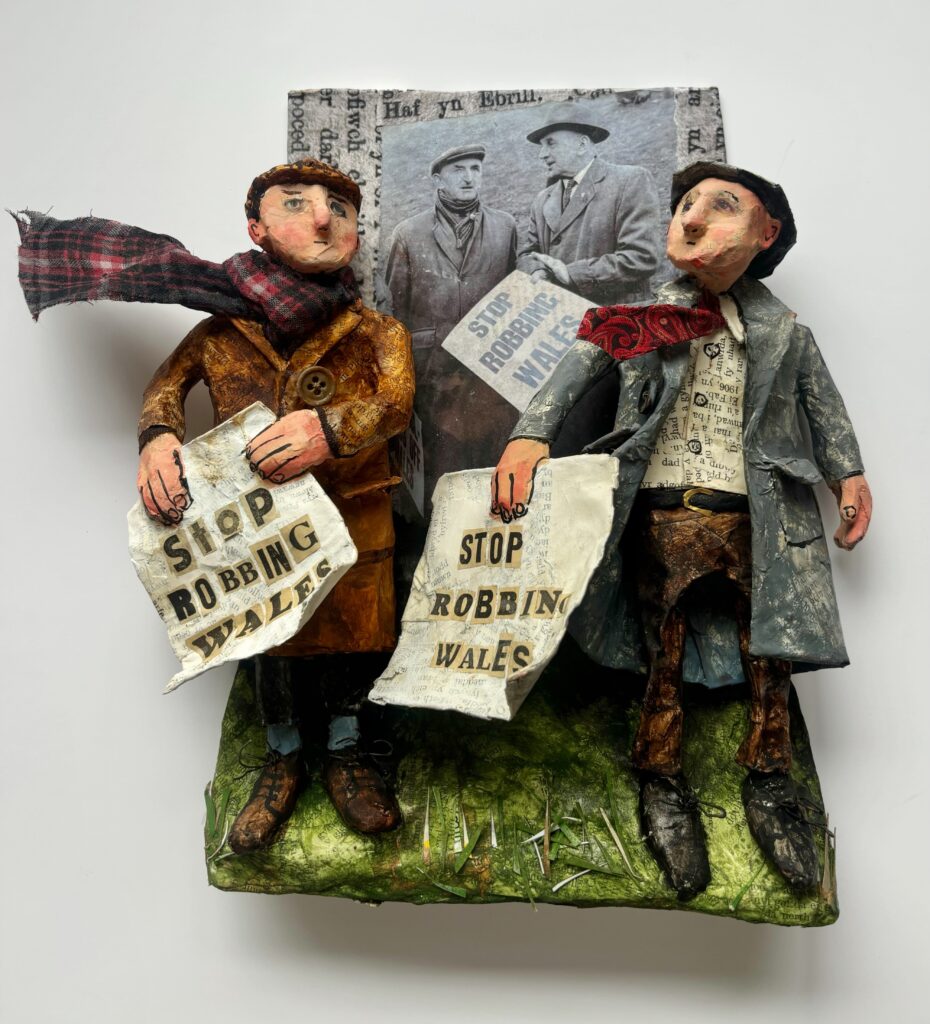
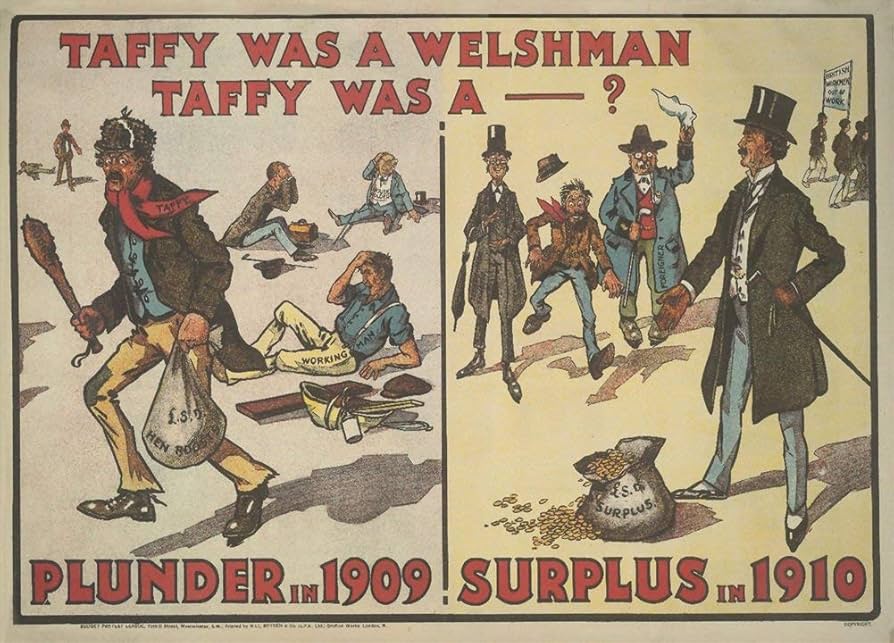
In our muddled and inherited version of history, it is Taffy that is the thief, the pillager, the ransacker, while stories of castle builders and land takers are sanitised, written free of their genocidal and colonial aims.
Like cowboy and Indian movies of old, there’s an almost camp villain persona applied to the Welsh who died in extraordinary numbers, along with untold damage to our culture and language, as they watched a ring of castles and land grabs happen before their eyes. How dare they respond!
Teaching the English our nation’s history might also give them a little more sensitivity when it comes to their actions in Wales, and undo the tired cliche and contradiction of Welsh people simultaneously being the friendliest people in the UK, but also the most hateful towards the English.
That ‘rivalry’ and distrust might, just might, have historical founding. Take just one Wikipedia page featuring a list of Anglo-Welsh wars as a little taster of things we were never taught.
Massacre after massacre, land grab after land grab. And yet, complete silence in our history lessons up until very recently in Wales - a silence that shouldn't be allowed to continue in England either.
If Wales is to be understood as a nation by people in England - and indeed respected as a nation - the school history books there must reflect the reality of these Isles from a shared perspective.
A perspective which acknowledges, from the very beginning, that Wales not only exists, but that efforts have been made for over a thousand years for its people, its language, and its culture, to be erased.
From Gwrtheyrn to Glyndwr, Tryweryn to the fight for Welsh independence and parity with the other nations of these Isles today.
Welsh history is British history, and it's time the full, bloody, ugly story was told to everyone involved.
Support our Nation today
For the price of a cup of coffee a month you can help us create an independent, not-for-profit, national news service for the people of Wales, by the people of Wales.
Get more trusted Welsh news
Choose Nation.Cymru as a preferred source in Google News to see more of our journalism.
