


Opinion
Wales would be worse off with Crown Estate devolution
Nic Conner
One of the many things I love about Nation.Cymru is its mission to punch up, not down—a platform for holding governments, organisations, and authorities accountable to the Welsh people. So, it feels strange writing today in defence of the ultimate hierarchical institution—the Sovereign, or more precisely, the land and assets held by the Crown Estate.
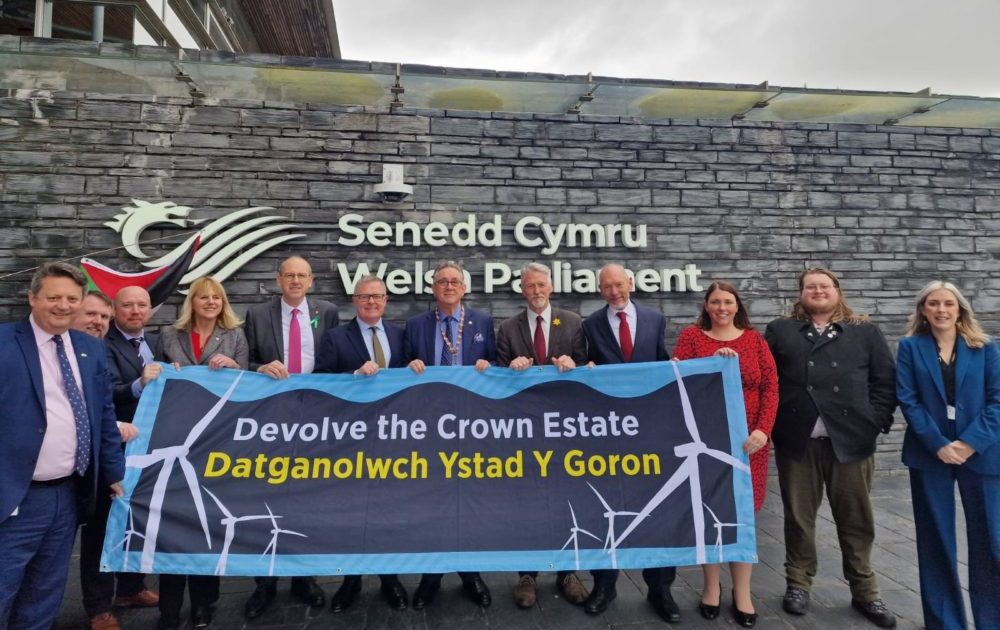
Over the past few months, Plaid Cymru has run a highly effective campaign calling for the devolution of the Crown Estate. The party secured a debate in the House of Commons by tabling an amendment on the Crown Estate. At the same time, Plaid councillors in Conwy urged the local authority to lobby for control.
Plaid Cymru’s motives are clear: as a republican party that ultimately seeks independence, it views breaking away from the Crown Estate as a step toward its broader goal.
Their argument that control over these assets should be devolved closer to the people of Wales has an instinctive appeal. As a strong supporter of devolution—who even believes power should be distributed further away from Cardiff Bay — I can see why this argument resonates.
[mid-content-banner]
Worse off
However, the reality is that such a move would leave Welsh taxpayers worse off while putting our beaches and natural resources at financial risk.
Plaid Cymru points to Scotland, where the Crown Estate was devolved in 2017. However, Scotland’s government does not own these assets outright; they remain under the monarch’s control and are merely managed by Crown Estate Scotland.
Moreover, devolution came at a cost. Scotland’s block grant was initially reduced by £6.6 million annually, rising to £40 million from 2028-29. This financial adjustment means Scotland must cover the Crown Estate’s costs from its own budget.
Devolving the Crown Estate would require setting up new governance structures and increasing administrative costs. Scotland’s experience has shown that devolution reduces efficiency and profitability, forcing public funds to cover maintenance and development expenses. For example, funds from the ScotWind auction, intended for renewables, were redirected to plug budget shortfalls.
[lower-mid-content-banner]
Revenue
The Crown Estate’s UK-wide revenue pooling system ensures that even if Welsh assets underperform, they still benefit from overall returns from the rest of the UK.
Devolution would remove this safety net, exposing Wales to financial volatility. When Ynys Môn’s MP Llinos Medi claims that "millions generated on the Welsh Crown Estate is taken out of Wales," she overlooks the benefits of the UK-wide model, which guarantees stable returns.
The MP for Dwyfor Meirionnydd, Liz Saville Roberts, suggests that the UK Government believes Wales is "too small and too poor" to manage the Crown Estate.
This is misleading. The real issue is whether a devolved system would be financially viable without UK-wide investment and risk-sharing.
Conwy Councillor Nia Owen claims the Crown Estate "benefits from council taxpayers." However, the Crown Estate generated £1.1 billion in net revenue profit in 2023/24, with Welsh assets valued at £853 million—just 5.3% of the total £16 billion portfolio.
This revenue is pooled centrally, ensuring Wales enjoys stable financial returns.
The Plaid Cymru councillors in Conwy, in coalition with Welsh Labour and Conwy Independents, voted for a 9% council tax increase—bringing the total rise to 30% over three years.
Meanwhile, Llinos Medi’s own council, where she served as leader until last June, is about to approve an 8.5% increase, amounting to an 18.5% rise over three years.
Benefits
Similarly, Liz Saville Robert’s Gwynedd Council has approved an 8.66% increase this year, totalling a 22.7% rise over three years. Yet, despite these significant tax hikes, services continue to be cut. Adding the financial burden of managing Crown Estate assets would strain budgets further.
The UK-wide Crown Estate model benefits Wales through revenue stability, specialist asset management, and access to global investment for large-scale projects.
A devolved system would require a new Welsh administrative body, increasing taxpayer costs and financial risks.
Conwy, Ynys Môn, Gwynedd and other Welsh councils benefit from Crown Estate investments without bearing administrative burdens.
Devolving the estate would increase costs, necessitate external expertise, and risk lower revenues.
Contrary to claims of "plundering Welsh resources," the Crown Estate ensures stability, investment, and economic security. While the heart may call for devolution, the facts show that Wales is better off as part of a unified UK structure.
Nic Conner is a freelance writer based in the Conwy Valley.
Support our Nation today
For the price of a cup of coffee a month you can help us create an independent, not-for-profit, national news service for the people of Wales, by the people of Wales.
Get more trusted Welsh news
Choose Nation.Cymru as a preferred source in Google News to see more of our journalism.
