


Opinion
Wales must set an example and ban animal experiments
Deborah Davies
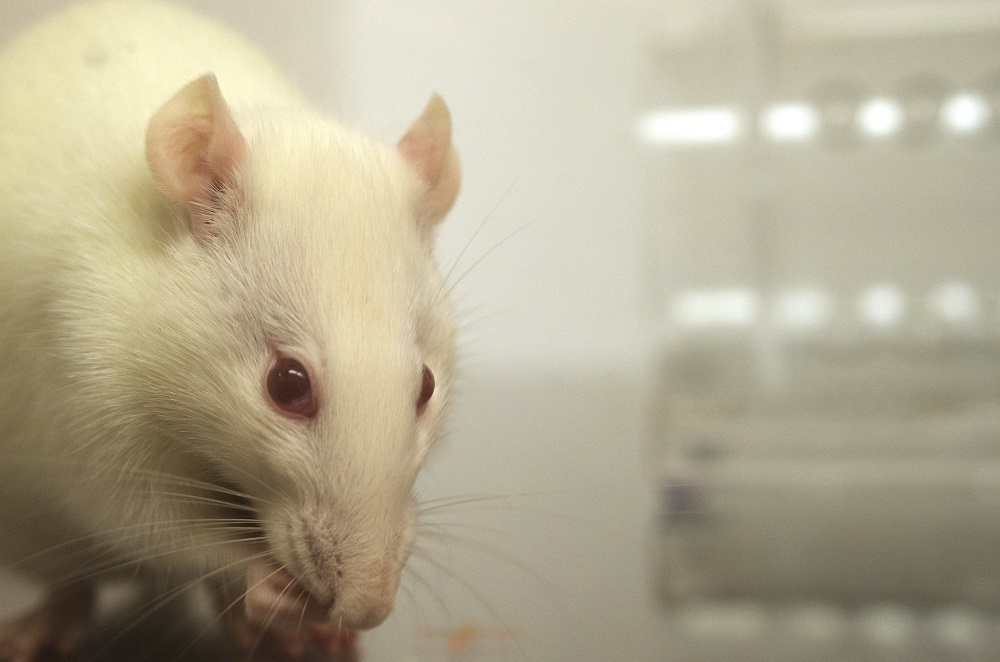
Each year inside British laboratories, around 3 million animals are experimented on. Every 8 seconds, one animal dies (source: Animal Aid). The latest available figures show approximately 39,000 'procedures' took place in Wales in 2022.
You may be surprised to learn that the vast majority of animal procedures do not result in breakthroughs or even advances in human medicine. Such experimentation is not the 'necessary evil' some would have us believe. For instance, more than 90% of drugs showing promise in animal toxicity tests turn out to be either ineffective or harmful to humans.
Tossing a coin would provide a better indication of a drug's efficacy, with at least a 50% chance of accuracy. Some drugs prescribed after animal testing have even proven fatal to humans, resulting in their removal from the UK market.
The same is true for medical research. Millions of animals are sacrificed with very little human benefit achieved. For example, after many decades of experimentation, cancer can be cured in mice but not humans. In which other domain would a model with such a high failure rate continue to be used?
The difficulty in translating outcomes from animals to humans can be explained by the fact that, despite similar biology, animals and humans react differently at a molecular and cellular level. In fact, different species respond uniquely too.
For instance, paracetamol (in the right dosage) is safe for humans and dogs but toxic to cats. This lack of predictive value has been understood and documented for over a century, yet experimental animal use continues. Such experiments, apart from causing unnecessary animal suffering, are time-consuming, costly, and prevent progress that could result from more human-relevant methods.
[mid-content-banner]
Reluctance
There are many reasons for the scientific community's reluctance to move away from animal models, but a lack of alternative methodologies is not one. An array of human-specific technologies is available and continues to be developed globally by innovative scientists and researchers, supported, and funded by organizations like Animal Free Research UK (formerly Dr Hadwen Trust).
Award-winning, game-changing innovations like organ-on-a-chip, advanced imaging, and computational modelling allow research on human biology, unhindered by genetic differences that complicate translating animal results to humans. Such human-focused methods succeed at exceptionally high rates, unlike animal research.
Yet funding, much of it public (from taxes), continues to be poured into old, failed animal methods. Universities (where 50% of UK animal experiments occur) persist in training scientists using outdated, ineffective research methods, perpetuating a cruel, flawed model that blocks rather than advances human medicine.
We must ensure the next generation of researchers sees animal-free technologies as the gold standard. (For more information, visit Animal Aid's Universities Challenged site.)
Thankfully, opposition to the status quo grows among those not entrenched in the tradition, culture, and groupthink of vivisectionists who see animal-free innovations as threats. A UK parliamentary motion, EDM 278, sponsored by 6 MPs (2 Welsh) calls for a public scientific hearing to examine the evidence and decide if animal experiments remain relevant and viable in the 21st century.
If, like me, you feel compelled to support this motion, you can lend your backing by asking your MP to sign the EDM. You can do so easily by following an online link where an automated message will be sent on your behalf: For Life On Earth .
Given that polls show most people in Wales oppose animal testing and favour new technologies (South Wales Argus, April 2021), promoting EDM 278 offers a unique chance for the public to voice their views.
The UK law permitting 'pain, suffering, distress or lasting harm' to lab animals must be challenged. Here in Wales, we can set an example by contesting this outdated Act and advocating for effective, human-relevant research grounded in science, not tradition.
Support our Nation today
For the price of a cup of coffee a month you can help us create an independent, not-for-profit, national news service for the people of Wales, by the people of Wales.
Get more trusted Welsh news
Choose Nation.Cymru as a preferred source in Google News to see more of our journalism.
