


Opinion
Wales' industrial heritage changed the world - so why is it being allowed to decay?
Joe Williams
On 7th September, over a thousand people are expected to descent upon Merthyr Tydfil for the largest independence rally the Valleys have ever seen.
The eyes of the Welsh national movement, at least for the day anyway, will be on this historic town… my historic town.
And what a history it has!
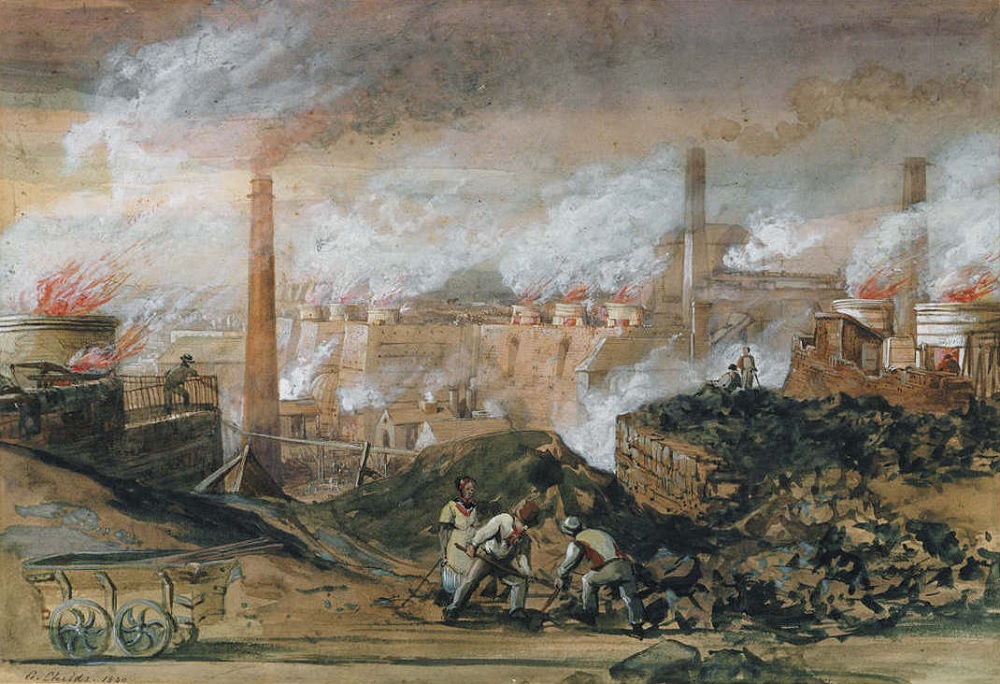
From the Merthyr Rising of 1831, in which the red flag of revolution was flown for the first time, to the great ironworks which powered the industrial revolution, the town has definitely secured its place in Welsh, if not world, history.
It came as no surprise to me, as well as many others in Merthyr when, in 2013, the town was voted ‘the most important place in Welsh history’ by a panel in the Hay Festival.
But what does Merthyr have that show for being the boiler room of an industrial revolution that swept the globe? And what of Rhondda, or Ebbw Vale, or so many of these important communities that so drastically altered Welsh, and indeed British life?
Looming over the town like an ancient ruin, the great blast-furnaces of Cyfarthfa Ironworks lie derelict. The largest and most complete surviving specimens of their type anywhere, they are left to be consumed by weeds, to be worn down by the elements, and fall foul to continuous vandalism.
Move further north, and you’ll encounter Pont-Y-Cafnau, the world’s oldest surviving iron railway bridge. Where is it? At the back-end of an industrial estate, with a graffitied information sign and strewn with litter from the Taff Trail.
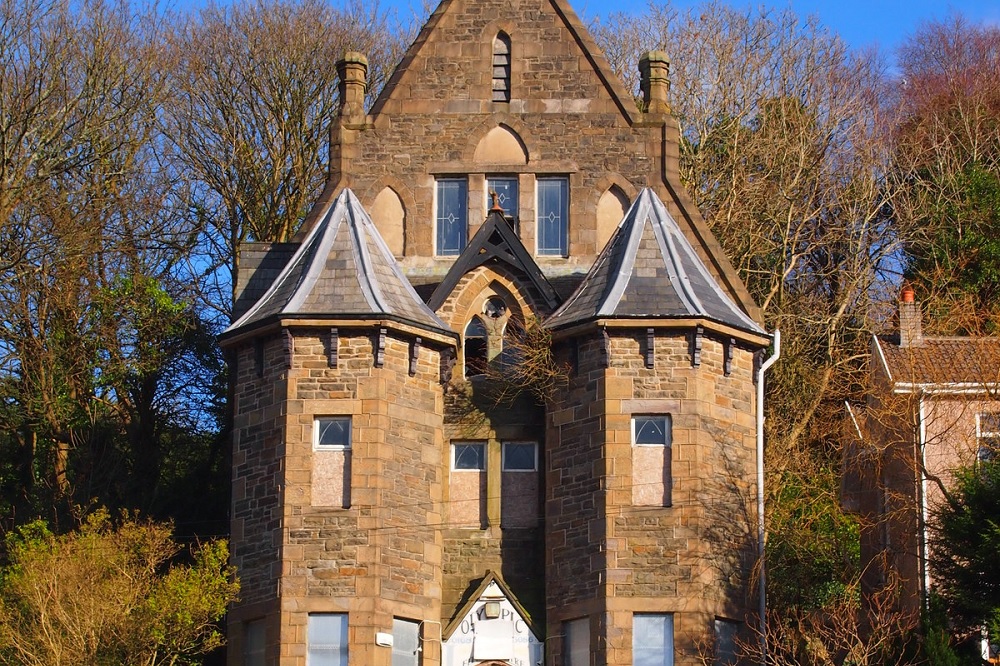
What about the Jewish Synagogue? The oldest purpose-built synagogue in Wales and a Grade II listed building?
It’s abandoned - it has been for over fifteen years. The windows have been covered in steel grating to protect them from the numerous rocks that have been thrown at them over the years.
Even the Old Town Hall, where Keir Hardie spoke as Labour MP for Merthyr, and where press-conference after press-conference were held during the Miners’ Strikes, lay derelict until just a few years ago.
Even now, the site is at risk, with some voicing fears that the charitable trust administering the site had been "running it into the ground".
And this isn’t just in Merthyr. Across the Valleys, our nation's heritage and history are under threat from dereliction and decay. From abandoned former-Baptist chapels in Rhondda, to the Treforest Tin Works - another one of Crawshay’s industries – they are all left in ruins.
It's shocking that while Wales' medieval history - our castles and keeps - are looked after, some of the most significant industrial sites in the world's history are being forgotten, abandoned, and left to the elements.
Value
Even when these sites are re-developed, it isn’t often to remember the history of these sites, but because they offer an opportunity for developers.
Many of Merthyr’s derelict places of worship have been bought to be turned into flats, and many have been bought for that purpose but then left to decay.
Others have been demolished and nothing built to replace them, such as Santes Tydfil, a perfectly preserved late Victorian schoolhouse, and St. Tydfil’s Hospital, a Grade II listed building that originally served as a workhouse. Overgrown grass, rubble-heaps and dumped black bin bags are all that are left.
So, what can be done? Austerity-hit councils are already strapped for cash. And you may argue that at a time when poverty and child mortality rates are so high in the Valleys, why should we focus on a few old buildings?
Often, it’s fallen upon the community itself to deal with the burden of its many derelict heritage sites. Recently, Reverend Robert Stivey spent up to £200,000 of his own money purchasing twelve derelict chapels across the Cynon Valley, hoping to repair them from the sorry state they’d been left in. A noble act, but one that shouldn’t have to be necessary.
In today’s Wales, where more and more people are becoming aware of our nation’s long history, we can no longer turn a blind eye to the loss of these historic sites.
Ultimately, as long as people walk past these sites, ignoring the history behind the walls, they will remain abandoned and forgotten. When we think of the grand castles and houses of Welsh history, we too often forget the historic industrial sites that shaped world history in the depressed, decaying Valleys.
For as long as we are ignorant of our own history, the people in power – be it government or council - can ignore our crumbling heritage.
So, for those who are coming to Merthyr in September, amidst a strong desire for change, and a celebration of Wales’ history, make sure to notice some of the many historic sites left to decay here.
And as we strive for independence a central part of that movement needs to be to remember and value our own great history, and to preserve what is left of it for future generations so that they can remember, too.

Support our Nation today
For the price of a cup of coffee a month you can help us create an independent, not-for-profit, national news service for the people of Wales, by the people of Wales.
Get more trusted Welsh news
Choose Nation.Cymru as a preferred source in Google News to see more of our journalism.
