


Opinion
The BBC is letting Wales down by not covering the Eisteddfod in English
Leigh Jones
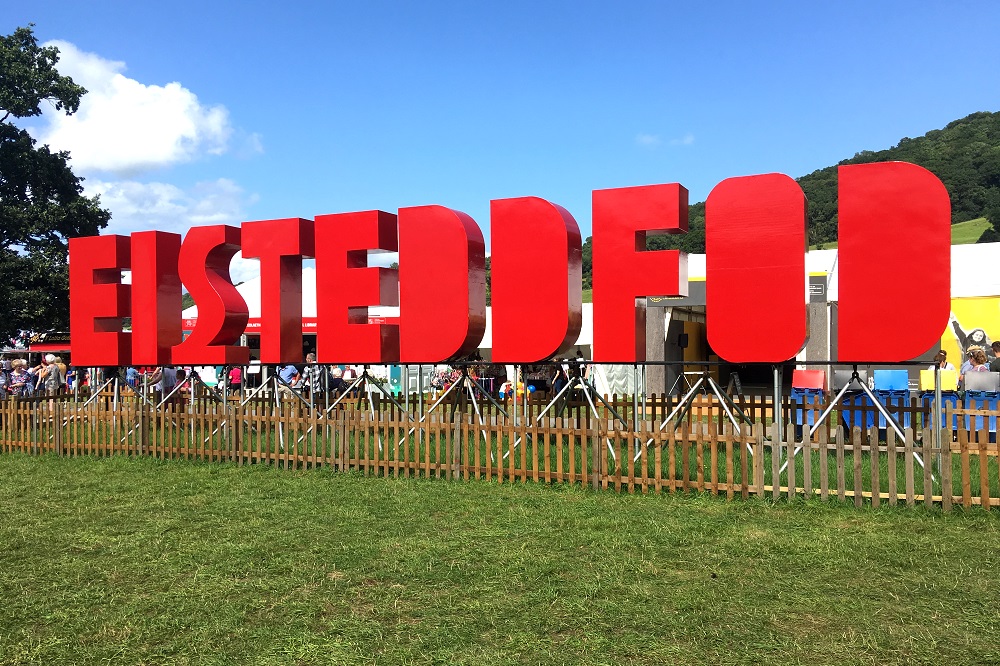
The National Eisteddfod is the largest annual cultural event in Wales - usually drawing more than 150,000 visitors across the course of a week.
The event that is being held in Llanrwst this week is a summer highlight for a huge number of Welsh-speakers - a centuries-old celebration of cultural and artistic expression that’s unique to Wales.
Last year’s event in Cardiff Bay, which unlike previous years was free to enter, opened the doors to Welsh language culture to thousands of curious locals.
The BBC does an excellent job of covering the Eisteddfod in Welsh, with wall-to-wall coverage on S4C, Radio Cymru and the BBC Cymru Fyw website.
The only outside broadcasts made by the BBC that are bigger are their coverage of Wimbledon and Glastonbury (and Glastonbury is the biggest outside broadcast in the world).
However, unless you speak Welsh it is likely the event will pass you by completely. You may not even realise it’s on at all.
[mid-content-banner]
With this in mind, it is massively disappointing that BBC Wales chooses to provide almost no coverage whatsoever of the festival in the English language.
Last week, BBC Wales News had a banner at the bottom of its homepage with a litany of stories from the brilliant Homeless World Cup, held in Cardiff. This was a simple, but highly effective way of drawing attention to a fantastic event in the capital.
It turned out to be blind optimism on my part to believe that they could use the same feature to draw attention to the largest cultural event in the nation.
The contrast with the way the Royal Welsh Agricultural Show was covered by BBC Wales is clear. It featured four excellent half-hour highlight programmes on BBC Wales at the end of July. Why can’t the same thing be done for the Eisteddfod?
The cameras are already there, the broadcasters are there, and I’m sure that all of those who are attending in any capacity would love to share the Eisteddfod with those in Wales who do not speak the language.
Unfortunately, as a result of the lack of coverage, the only non-Welsh speaking audiences hear about the Eisteddfod is when it's in the news for the wrong reasons.
Responsibility
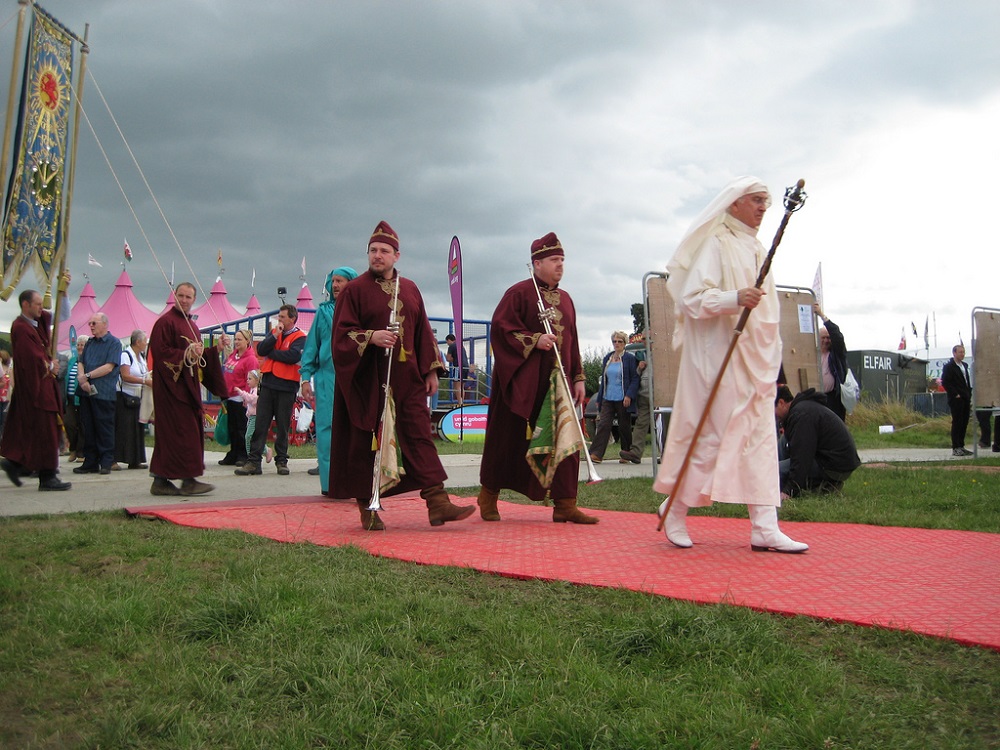
Whether one speaks the language or not, these traditions and practices that make up the Eisteddfod belong to all the people of Wales - and one needs no knowledge of the language to appreciate the talent on display in most of the competitions.
The Eisteddfod played a key part in the Welsh revival of the 19th century and, it could be argued, protected Welsh cultural identity from being swept up and entirely consumed by imperial British nationalism of the Victorian age.
That the Eisteddfod persists to this day is miraculous, and is a testament to the strength of its cultural importance to Wales. For the national broadcaster to deny an English speaking audience access to this is, in my opinion, a dereliction of responsibility.
It’s time to stop thinking about Welsh-speaking and English speaking Wales as two binary communities living side by side. Hundreds of thousands on non-Welsh speakers in Wales have some Welsh language ability and most will have some connection with those taking part in the Eisteddfod.
For Welsh to thrive as a daily language, it cannot be segregated. One of the main purposes of the Eisteddfod is to show off the riches of Welsh language culture and inspire people to learn the language, and it can only do that if it reaches non-Welsh speakers.
Surveys have shown again and again that the people of Wales who don’t speak it support the Welsh language. Support would no doubt increase again if the rich culture associated with the language was on full display.
The fear may be that English coverage of the event would draw viewers and listeners away from S4C and Radio Cymru. But the English language coverage would not need to match the Welsh language in scope, or even cover the same material - what is needed is to give English language audiences a taste of what is going on.
I hope that BBC Cymru Wales’ Head of Commissioning, Nick Andrews, reads this, and I invite him to respond. You are responsible for the commissioning of content for radio, TV and online - why aren’t you using the resources at hand to share the most amazing cultural event in Wales with the people you should be serving?
Ultimately, all the people of Wales deserve access to the culture of their own nation in all its manifestations, and as a public broadcaster, the BBC has a responsibility to give them that access.

Support our Nation today
For the price of a cup of coffee a month you can help us create an independent, not-for-profit, national news service for the people of Wales, by the people of Wales.
Get more trusted Welsh news
Choose Nation.Cymru as a preferred source in Google News to see more of our journalism.
