


Opinion
Should club football in Wales switch to playing during the summer months?
Mike Hedges - MS for Swansea East
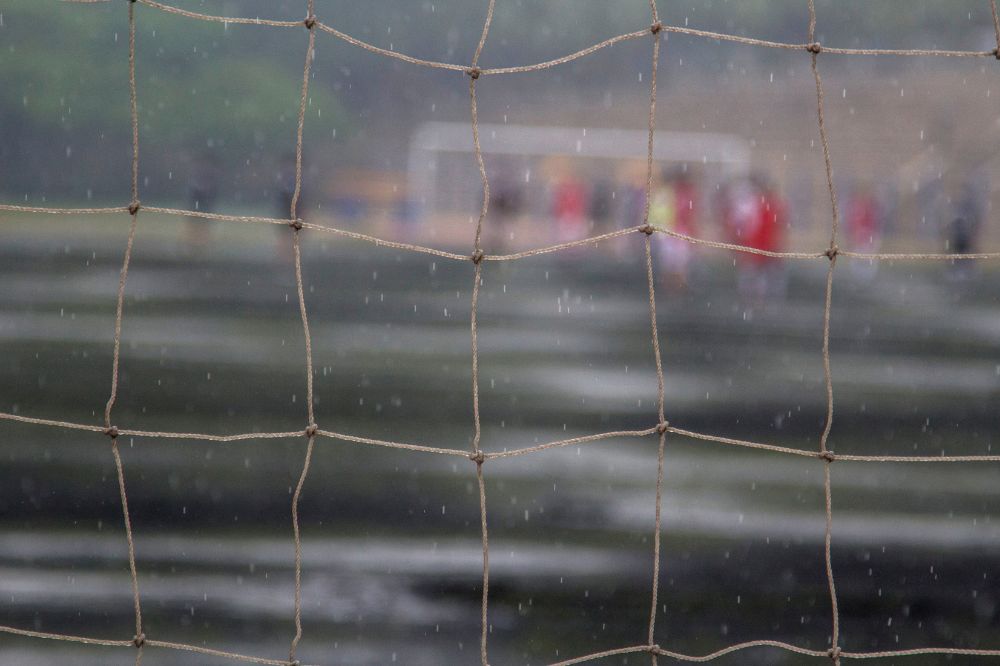
In Wales as the rest of Britain football has always been a winter sport but with the changing weather caused by global warming local football matches are continually called off.
Noel Mooney, the head of the Football Association of Wales has hinted at a possible trial after it was revealed around 6,000 matches were called-off over the winter.
The Swansea senior league premier division consists of twelve teams who play twenty-two league games. The season is planned to finish at the end of April.
At the end of March, Llangyfelach have played nine league games leaving thirteen league games to be played by the end of this month.
Waunarlwydd Galaxy - who have played the most games - have played seventeen games leaving five games to be played by the end of April. Llangyfelach only played two games in December, January, and February.
In the First division Sandfields have played thirteen league games leaving nine to play in April. The African community centre have played eighteen league games leaving four to be played in April.
Only twenty-nine games were played in December, January and February with Sandfields only playing three league games in the three months.
[mid-content-banner]
Climate change
In an interview with BBC Wales, Mr Mooney admitted the need to “adjust for climate change” and said he would be open to seeing different parts of Wales – or age groups – trialling the idea of playing football matches in the summer months.
The question is how would summer football affect other sports. In east Swansea there are three cricket clubs with eight teams between them. One club has its own ground and one of the others uses a ground football is not played on. The maximum number of council cricket pitches needed where football is also played is three.
Summer football is coming to Northern Ireland, and it could be ready to commence in the next three years, with NIFL chief executive Gerard Lawlor declaring that the prospect of a change in schedule to the season will bring much soul searching and could lead to some clubs deciding to leave the Irish League.
Lawlor was speaking as the Northern Ireland Football League unveiled its new five-year strategic plan in a document titled ‘A Bold and Brighter Future for Professional Football.’
The League of Ireland Premier Division is the top level division in both the League of Ireland and the Republic of Ireland football league system. The division was formed in 1985 following a reorganisation of the League of Ireland.
There are ten clubs in the Premier Division. During the course of a season from February to November each club plays the others four times.
The Welsh Premier champions enter the qualifying stages of the Champions League, with the runners-up entering for the first qualifying round of the Europa League, along with the winners of the end-of-season play-offs.
Wetter winters
A place in the second qualifying round of the Europa League is awarded to the winners of the Welsh Cup. If the winners of the Welsh Cup have already qualified for Europe via their league placing, the eighth-placed team takes their place in the Welsh Premier play-offs.
This season TNS who are the most successful team in the Welsh Premier league were knocked out of the champions league competition on the 13th July by Linfield.
The options for football in Wales are:
Continue as we are now but accept climate change and wetter winters leading to months in mid-winter of very few local league football matches.
Trial a season from March to November with one or more local leagues.
Trial the Welsh premiership as a summer league so that the first-round champions league games take place during the season.
Have a mid-winter break in December, January, and February.
All are viable options, but I would prefer trialling either an official mid-winter break or a summer league.
Support our Nation today
For the price of a cup of coffee a month you can help us create an independent, not-for-profit, national news service for the people of Wales, by the people of Wales.
Get more trusted Welsh news
Choose Nation.Cymru as a preferred source in Google News to see more of our journalism.
