


Opinion
It's time to make foodbanks unnecessary
Mike Hedges - MS for Swansea East
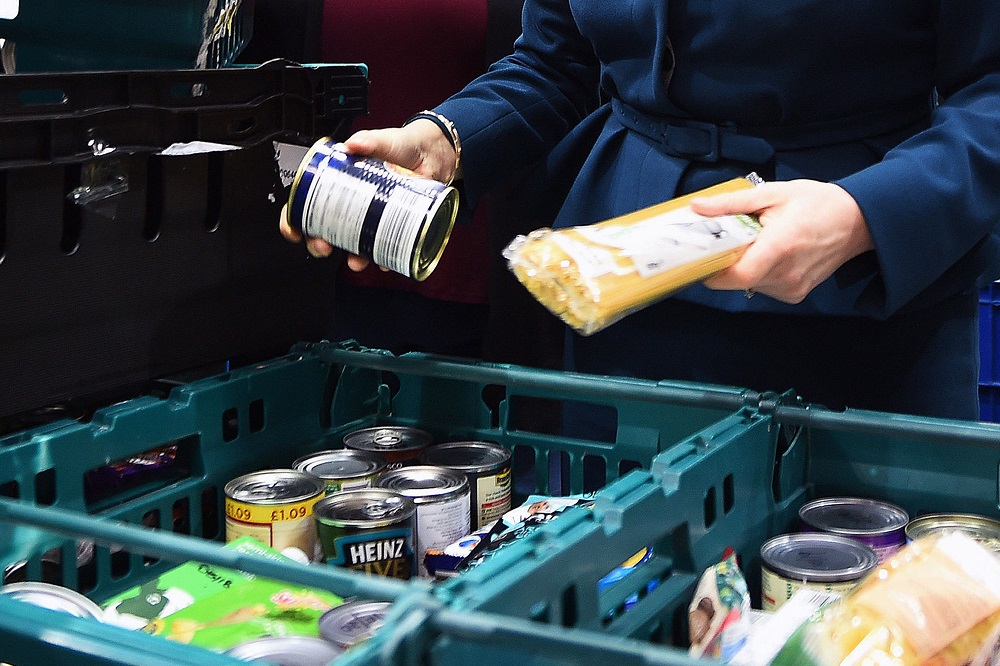
Foodbanks are the fastest growing food provider, growing faster than any of the supermarkets.
A foodbank has been defined as a place where food, typically basic provisions, and non-perishable items, are supplied free of charge to people in need.
The Iceland boss has previously stated that, "it is a fact that we are losing some customers in some neighbourhoods to food banks."
Foodbanks are the soup kitchens of the 21st century and our challenge is to make them unnecessary.
[mid-content-banner]
Difficulties
According to Foodbanks UK, foodbank usage has grown significantly in recent years as more individuals and families face financial difficulties and food insecurity
Foodbanks UK, states foodbanks serve people from various backgrounds who are experiencing financial hardship including:
Families with Children
The Trussel trust says that "approximately one-third of all food parcels distributed were for children".
Working Individuals
Despite the views of some, we know many users are employed but still struggle to make ends meet due to low wages, rising living costs, variable working hours and inadequate social support.
People on Benefits
Benefit changes or delays to the payment from benefits such as Universal Credit, can push individuals into short-term crises, leading them to need support from foodbanks.
The Elderly and Disabled
Older adults and people with disabilities are increasingly reliant on foodbanks, particularly as energy bills rise.
According to Foodbanks UK,"the rising demand for foodbanks in the UK can be attributed to several key factors".
Inflation and soaring energy prices have drastically increased household expenses, leaving many struggling to afford food.
Also, a death and associated funeral costs or the need to buy household items can push people into using foodbanks.
[lower-mid-content-banner]
Serious need
Despite being in employment, stagnant wages, variable working hours and ill health causing income to be reduced to statutory sick pay, mean some households cannot cover their basic living costs.
Benefit changes have left people in serious need. Life changes such as, job loss, or a housing crisis can push people into financial hardship, leading them to seek temporary assistance from foodbanks.
Foodbanks get food from several places:
Individual Donations - Most food banks receive food from community members through food drives and direct donations sometimes via chapels, churches, mosques, and schools.
Monetary Donations - Money donated allows foodbanks to purchase essential items that are not commonly donated, such as, toiletries, baby formula milk or gluten-free foods.
Retail Partnerships - Food banks partner with grocery stores and food retailers to collect surplus food that would otherwise go to waste.
Donations
Food Industry Donations - Manufacturers and distributors donate food products, including some non-perishable items.
Foodbanks carefully check all donated items for quality and safety, ensuring they are within their "best before" or "use by" dates, placing them in date order on shelves.
Items are then categorised into groups such as tinned goods, dried foods, or toiletries, for easy distribution.
Foodbanks manage their inventory to balance supply and demand.
Items in short supply are then prioritised for purchase using financial donations.
Donations are sorted into parcels in order meet the needs of individuals or families, depending on any dietary restrictions and household size.
The Trusell Trust, which is one of the largest food bank providers, provides emergency food and practical support to people who have been left without enough money to live on.
People are also provided with emotional support, and a reminder that they are not alone and someone understands.
Vouchers
The volunteers at food banks offer a friendly face, basic kindness, and a willingness to listen.
For many people, it is the first time someone has sat down and listened to them and their problems for several years, many have been worn down by how the benefits system works.
Some use a voucher referral system (vouchers are available from a GP surgery, Job Centre Plus, social workers, local area coordinators, and community partners).
Some provide food for those who turn up and say they need food.
Foodbanks provide food everyday of the week. In Swansea there are forty-eight opening days across the foodbanks, food shares and cooked meal providders each week.
Some are open every day, some are open once a week and others provide emergency food only whilst others provide delivery or only provide food for people living in a certain area.
Nothing better shows the number of people facing hunger than foodbank usage.
So many people are doing good for their communities and helping those who are in need.
The aim must be for foodbanks need to be reduced and only to be used rarely.
Support our Nation today
For the price of a cup of coffee a month you can help us create an independent, not-for-profit, national news service for the people of Wales, by the people of Wales.
Get more trusted Welsh news
Choose Nation.Cymru as a preferred source in Google News to see more of our journalism.
