Opinion
Is it the eleventh hour for the arts in Wales?
Heledd Fychan MS
Is it the eleventh hour for the arts in Wales?
That’s the question I’ve been asking myself as Plaid Cymru’s spokesperson for culture given the precarious situation facing the arts and culture sectors in Wales, and how a Plaid Cymru government would seek to reverse it.
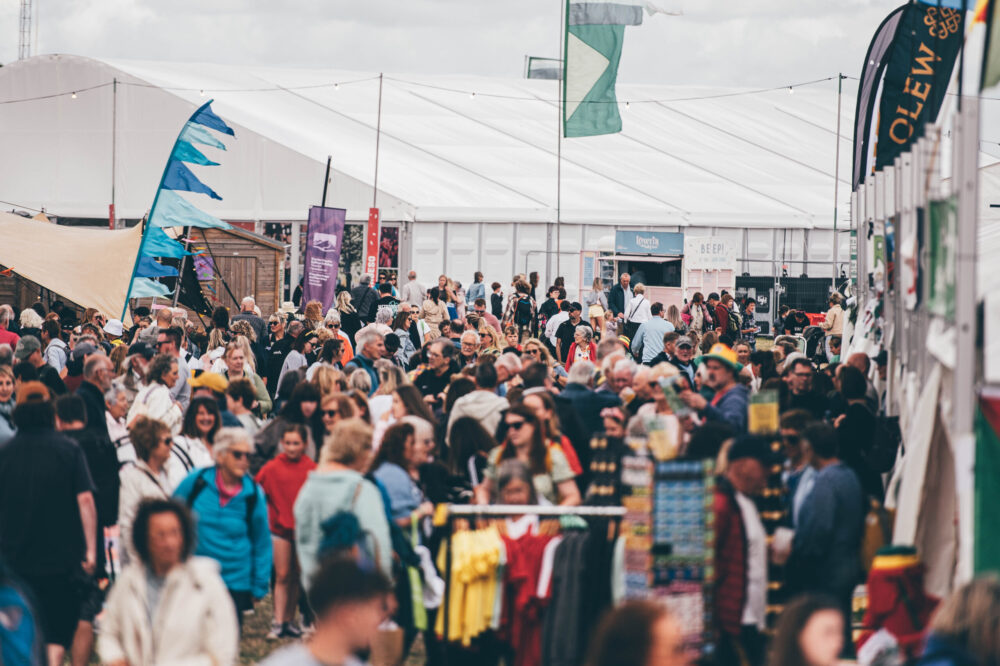
Being at the National Eisteddfod this week in Wrexham, one of the largest cultural festivals in Europe, I’ve seen all kinds of art forms of the highest quality enjoyed by all. It would be easy to forget that there was a crisis.
Wales is undoubtedly culturally rich and there are many companies, individuals and organisations in Wales doing incredibly innovative work in so many different fields.
But after over a decade of underinvestment and cuts from the Labour Welsh Government – a 17 per cent real terms reduction in revenue funding for culture and sport between 2014-15 and 2024-25 – culture and the arts have been treated as nice to haves for far too long.
[mid-content-banner]
Spending
The consequences of the lack of investment and cuts?
- Hundreds of jobs lost from national institutions, losing expertise and key skills.
- Cultural venues across Wales have had to close or reduce their hours as local authority spending on culture and related services has fallen by 40% as they are not statutory services.
- The future of Welsh National Opera remains at stake; the Junior Department of the Royal College of Music and Drama in Cardiff has closed and the now-rescued Cardiff University Music Department has been severely reduced.
- Also in our capital, St David's hall has remained closed since RAAC was found there and earlier this year, National Museum Cardiff had to close its doors suddenly. Although it reopened after a few days, significant investment is still needed to ensure that doesn't happen again.
- No national theatre in English – although Michael Sheen has stepped in to set up an alternative company – and a recently published report warned that.
[lower-mid-content-banner]
Music
Welsh folk music could die within a generation without urgent intervention.
Today, at the Eisteddfod, I’ll be setting out Plaid Cymru’s vision to reverse this situation if we are in government after next year’s Senedd election – ensuring that culture and the arts are a central part of our programme of government.
After all, culture is the heartbeat of Wales. It’s how we tell our stories, preserve our language, celebrate our history, and express our values. It connects us with each other, and with the past.
While Labour in Wales pit investing in culture against money for the NHS or our schools, we believe that investing in one shouldn’t mean not investing in the other.
They are intertwined, and all are essential.
In 2023/24 alone, every £1 invested in the arts in Wales generated an economic return worth £2.51.
Investing in sports meant £621m direct NHS cost savings from prevented illnesses, with a total net benefit of £5.98bn in social, mental and health gains, making for a £4.44 return per £1 spent on sports.
Ambition
That’s why a Plaid Cymru government would make culture, arts and sports central to a Plaid Cymru government’s ambition to build a healthier, wealthier Wales – through a new, innovative, preventative health agenda.
The opportunity to participate in culture, arts and sport is a fundamental right, essential to who we are and to the fabric of our communities. It should never be seen as something exclusive.
By introducing a new preventative agenda that encompasses all departments of government, we will ensure that the vital role culture plays in wellbeing, economic growth and social cohesion is not only recognised but realised.
In health, the arts would be completely integrated as part of our health service and wellbeing improvement programme, by promoting healing and recovery.
Potential
While the NHS Wales Confederation and the Arts Council of Wales have understood these benefits for many years and have cooperated on a number of successful programmes, there has been a lack of government action and investment to realise its full potential in improving the health and wellbeing of patients, staff and the wider population.
As a result, there’s a disparity across Wales with some health boards reducing spending in this area and others relying on very little staff to do the work.
In education, we would ensure that the four purposes of the national curriculum, which aims to develop and enterprising, creative contributors, ready to play a full part in life and work; include opportunities for all pupils to access cultural experiences.
This is also critical in tackling child poverty, and a central part of the social justice programme.
Economy
And in our economy, we would recognise the importance of arts and culture in relation to the Welsh economy and develop the skills needed in the workforce to take full advantage of the growth of the creative industries.
While European countries are investing on average 1.5 per cent of their budgets on culture, the arts council budget in Wales is just 0.15 per cent and culture and sport as a whole only 0.5 per cent.
A Plaid Cymru government will set out to increase spending on culture, arts and sport year after year as a percentage of the whole Welsh budget during its first term.
It's the eleventh hour on the arts in Wales, and we need a government that not only recognises that but is ready to tackle the challenges and reverse the decline.
That means electing a Plaid Cymru government next May, so we can put these plans into action.
Support our Nation today
For the price of a cup of coffee a month you can help us create an independent, not-for-profit, national news service for the people of Wales, by the people of Wales.
Get more trusted Welsh news
Choose Nation.Cymru as a preferred source in Google News to see more of our journalism.