


Opinion
Coronavirus has highlighted the unfairness faced by our rural Welsh communities
*English follows below*
Robat Idris, Cadeirydd, Grŵp Cymunedau, Cymdeithas yr Iaith
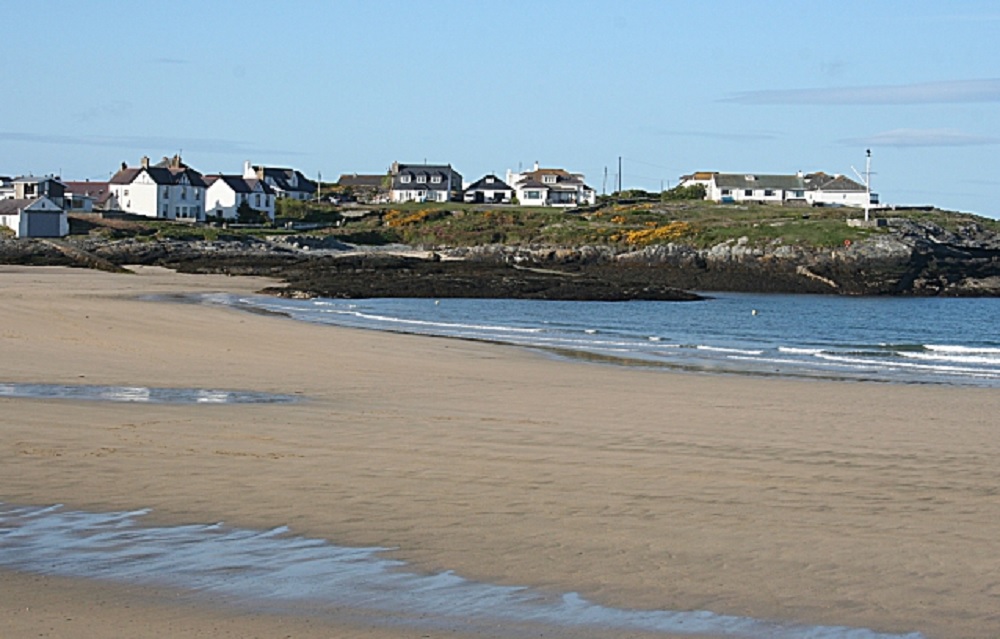
Go brin fod yr un ohonoch chi heb ryfeddu at yr agwedd Fi Fawr a welwyd yn ardaloedd twristaidd Cymru dros benwythnosau diweddar, pan heidiodd pobl yma i ddianc oddi wrth y firws corona. ‘Roedd yr adwaith gan wleidyddion lleol yn chwyrn – “peidiwch â dod yma i’n boddi a rhoi straen diangen ar ein Gwasanaeth Iechyd”.
Ond erbyn meddwl dydi hyn yn ddim byd ond cam rhesymegol yn y broses o weld Cymru fel lle i ddianc iddo, a gwedd arall ar y boddi diwylliannol ac ieithyddol a brysurodd yn ddiweddar. Gwelir ein gwlad fel chwaraele i eraill, a rôl y bobl leol yw hwyluso hynny.
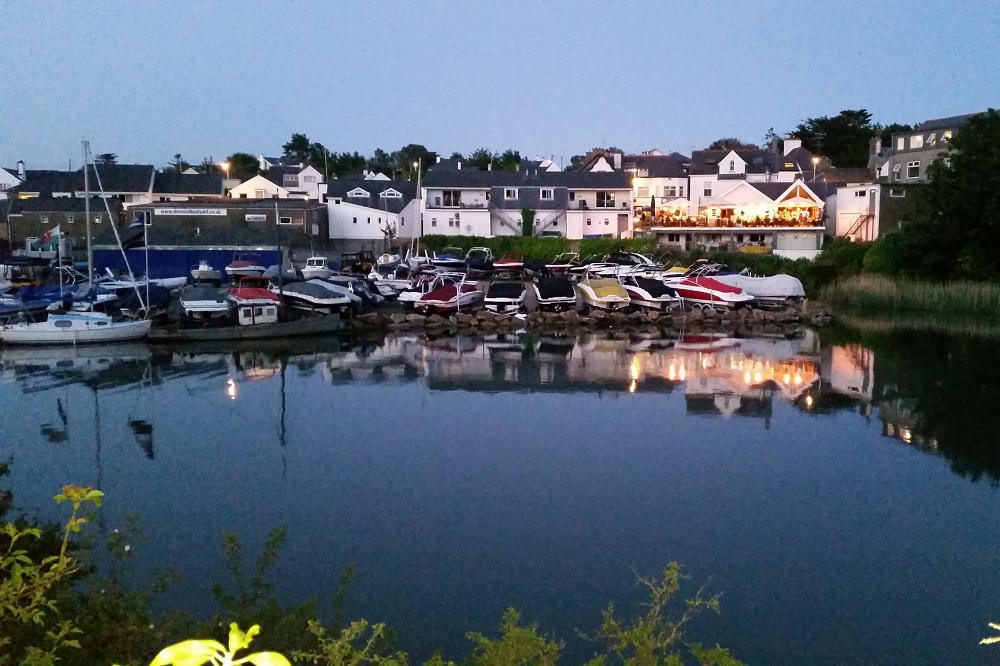
Proses sydd wedi arwain at y sefyllfa druenus o ddiffyg argaeledd cartrefi i gymaint o bobl ein gwlad, yn enwedig pobl ifanc. Y drasiedi o weld cynifer o bentrefi gwyliau yn sgerbydau yn ystod y gaeaf. Y duedd i brynu tai gyda’r diben penodol o’u gosod ar gyfer Airbnb yn hytrach nag i bobl sy wir eu hangen – a hynny’n gwanhau ein cymunedau ac o ganlyniad yr iaith. Bellach, mae hyn yn digwydd mewn ardaloedd sydd heb fod yn ganolfannau twristaidd yn ogystal.
Mae ardaloedd gwledig Cymru wedi eu hesgeulso’n economaidd cyhyd fel bod yna groeso di-gwestiwn wedi ei roi i dwristiaeth, heb ystyried y goblygiadau. Mae twristiaeth gall wedi troi yn or-dwristiaeth, ac yn bygwth tanseilio’r union bethau y dylai twristiaeth gyfrifol eu cynnal, e.e. bywoliaeth resymol i’r rhai sy’n gweithio yn y diwydiant, gwasanaethau lleol digonol, parch i’r amgylchedd (sy’n cynnwys yr iaith wrth gwrs!). Ac o ganlyniad mae mwy a mwy o dai a busnesau lleol yn cael eu perchnogi gan bobl o’r tu allan. Felly dydi’r elw ddim yn aros yn lleol.
Mae’n hen bryd adfer y conglfeini a gollwyd fesul un dros y degawdau diwethaf yn ein pentrefi a’n trefi, sydd erbyn hyn wedi eu sigo gan or-dwristiaeth, ail gartrefi ac Airbnb. Newidiwch y rheolau ac mi fydd yn haws i’r bobl eu hunain wneud bywoliaeth a chael to uwch eu pennau. Ac mi fedran nhw sefyll ar eu traed eu hunain heb ddibynnu ar dwristiaeth yn unig.
Ac mae tai - neu ddiffyg tai - yn broblem fawr yn ein trefi a’n dinasoedd hefyd. Beth am fynd i’r afael go iawn â digartrefedd? Rydym wedi gweld yn ystod yr argyfwng hwn bod modd rhoi lloches i’r digartref yn ein dinasoedd fel mesur iechyd cyhoeddus - ond pam ddim gwneud hynny fel mesur dyngarol ar adeg ‘normal’?
[mid-content-banner]
Angenrheidiol
Mae Cymdeithas yr Iaith yn datblygu Siarter Tai Celtaidd mewn cydweithrediad â grwpiau ymgyrchu mewn llefydd eraill lle gwelir problemau tebyg – fel yr Alban a Chernyw. Y pwyslais fydd ar greu syniadaeth fydd yn cynnal cymunedau a chryfhau eu gwytnwch. Syniadau megis uchafswm o dai mewn ardal sy’n cael ymwneud â thwristiaeth/tai haf/ail gartrefi; adolygu trethiant a diwygio’r sustem gynllunio.
Os ydi’r aflwydd hwn o firws corona wedi gwneud un peth - dyma fo. Dangos fod ffyrdd gwahanol o wneud pethau’n bosib. Dangos mai ewyllys gwleidyddol sy’n cyfateb i ewyllys da’r mwyafrif llethol o bobl sydd ei angen.
Yn fwyaf sydyn, gwelsom ei fod yn bosib arallgyfeirio cwmnïau sy’n ymwneud â’r diwydiant rhyfel i gynhyrchu offer ar gyfer y Gwasanaeth Iechyd. Mae cwmnïau lleol fel M-Sparc yn medru cynhyrchu offer angenrheidiol hefyd - sy’n golygu fod caffael lleol yn hollol bosib, a hynny’n arwain at fudd yn lleol - a thu hwnt!
Yn yr un modd, mae’n bosib dychmygu ffyrdd newydd o ddarparu gwasanaethau drwy dechnoleg - pam na ellir rhoi hwb go iawn i ddysgu Cymraeg fel hyn? A dod â ni yn nes at y filiwn o siaradwyr.
Pam na wnawn ni fynnu bod ein llywodraethau yn Llundain a Chaerdydd yn sicrhau mai gwytnwch ein cymunedau - o ran iechyd, o ran diwylliant, o ran iaith, o ran economi, o ran amgylchedd - sydd bwysicaf yn y pendraw.
Mae’r argyfwng yma wedi dangos pa mor ddiffygiol fu’r paratoi. Mor hurt fu llymder. Mor ddifaol fu rhoi elw o flaen popeth.
Dyma ofynion Cymdeithas yr Iaith i Lywodraeth Cymru a Llywodraeth Llundain yn ystod y cyfnod argyfyngus hwn a thu hwnt:
- Atal defnydd o dai haf a gosod tai drwy Airbnb tra bod y feirws yn dal yn berygl.
- Sicrhau bod yr angen sylfaenol am dai i bobl leol yn dod o flaen tai i ymwelwyr, p’run ai i’w gosod neu fel ail gartrefi.
- Gosod uchafswm ar y canran o dai mewn ardal sy’n gallu cael eu defnyddio fel ail gartrefi neu dai haf.
- Cau bylchau yn y gyfraith sy’n galluogi perchnogwyr ail dai i gofrestru fel busnesau er mwyn osgoi trethi cyngor uwch.
- Sicrhau bod gan bob cymuned, ym mhob rhan o’r wlad, fynediad at wasanaethau meddygol safonol a chyflawn, gan gynnwys adfer gwasanaethau ysbytai a rhoi mwy o adnoddau i’r gwasanaeth iechyd.
- Ehangu’r defnydd o gwmnïau lleol i ddarparu cyfarpar a gwasanaethau i ymladd yr haint a’i effeithiau; ac ymhob maes posib arall.
- Manteisio ar awydd pobl i ddysgu Cymraeg tra bod rhagor o amser rhydd gan nifer drwy ariannu a hyrwyddo dulliau ar-lein.
Yn y bon, os nad ydym yn defnyddio adnoddau ariannol y Wladwriaeth er budd pobl, nid er budd cyfalaf, yna fydd ein cymunedau’n parhau i ddioddef yn yr argyfwng hwn, ac yn y dyfodol. Rhaid cydnabod bod niwed aruthrol wedi ei wneud dros ddegawdau, a bod pobl eisiau i’w cymunedau ffynnu, yn lle bod dan warchae o hyd. Dylid adeiladu ein cymunedau ar sylfeini cadarn o wytnwch, gyda’r gallu i wrthsefyll yr argfywng hwn a’r un nesaf.
Gallwn, ac mae’n rhaid i ni, adeiladu’r cymunedau hynny gyda’n gilydd.
Robat Idris, Chair, Grŵp Cymunedau / Communities Group, Cymdeithas yr Iaith
It’s unlikely that any of you were amazed at the ‘Me First’ attitude we witnessed in the tourist areas of Wales over recent weekends, when people flocked here to escape the coronavirus. The reaction from local politicians was fierce - "don't come here to overwhelm us and put unnecessary strain on our Health Service".
But of course - it’s only a logical step in the process of seeing Wales as a place to escape, and another facet of the cultural and linguistic meltdown that has recently taken place. Our country is seen as a playground for others, and it is the role of local people to facilitate that.
A process that has led to the pitiful lack of availability of homes for so many people in our country, especially young people. The tragedy of seeing so many holiday villages standing like ghost towns throughout the winter. The tendency to buy houses with the sole purpose of letting them for Airbnb rather than for people who really need them - which weakens our communities and consequently the language. This is now happening in other areas that are experiencing tourism for the first time as well.
Rural areas of Wales have been economically neglected for so long that tourism has been given an unquestioned welcome, without considering the implications. Tourism has turned into hyper-tourism, and threatens to undermine exactly what responsible tourism should do - for example, a real living wage for those working in the industry, adequate local services, respect for the environment (which includes the language of course!). As a result, more and more local houses and businesses are owned by outsiders. So the profits don't stay local.
It’s high time to restore the cornerstones that have been lost one by one over the last few decades in our villages and towns, which are now inundated with hyper-tourism, second homes and Airbnb. Change the rules and it will be easier for the people themselves to make a living and have a roof over their heads. And they can stand on their own two feet without relying solely on tourism.
And housing - or the lack of it - is a significant problem in our towns and cities too. Why can we not seriously tackle homelessness? We have seen in this crisis that the homeless in our cities can be sheltered as a public health measure - but why not do it as a humanitarian measure at a 'normal' time?
[mid-content-banner]
Goodwill
Cymdeithas yr Iaith are developing a Celtic Housing Charter in cooperation with other campaign groups elsewhere where similar problems are encountered - such as Scotland and Cornwall. The emphasis will be on creating a system of principles that will sustain communities and strengthen their resilience. This includes ideas such as a maximum number of houses in an area that may be used for tourism and holiday or second homes; reviewing local taxation and reform of the planning system.
If the coronavirus crisis has shown one thing, it is this: that there are different ways of doing things. It has shown that what’s needed is political will that responds to the goodwill of the vast majority of people.
Suddenly, we have seen that it was possible to diversify companies involved in the war industry to produce equipment for the NHS. Local companies such as M-Sparc are also able to produce the necessary equipment - meaning that local procurement is entirely possible, leading to benefit for local communities, and beyond.
Equally, it is possible to imagine new ways of delivering services through technology - why can't learning Welsh in this way be given a real boost? And bring us closer to the one million speakers.
Why shouldn’t we insist that our governments in London and Cardiff ensure that the resilience of our communities - in terms of health, culture, language, economy, the environment - is ultimately the most important consideration.
This crisis has revealed how flawed our preparation was. How unjustifiable austerity has been. How devastating it has been to put profit before everything else.
Cymdeithas yr Iaith calls on the Welsh Government and UK Government to act upon the following during this critical period, and over the longer term:
- Ban the use of holiday homes and letting properties through Airbnb while the virus is still a danger.
- Ensure that the basic need for housing for local people is met before housing for visitors, whether as holiday lets or as second homes.
- Set a limit on the percentage of houses in an area that can be used as second or holiday homes.
- Close loopholes that allow second home owners to register as businesses to avoid higher council taxes.
- Ensure that every community, throughout the country, has access to full, high quality medical services, including restoring hospital services and better resourcing the health service.
- Expand the use of local companies to provide equipment and services to tackle the pandemic and its effects; and in all other possible fields.
- Take advantage of people's desire to learn Welsh while many have more free time by funding and promoting online methods.
Ultimately, unless we use the financial resources of the state for the benefit of people, not for the benefit of capital, then our communities will continue to suffer in this crisis, and beyond. We must recognise that tremendous damage has been done over the decades, and that people want their communities to thrive, not to be constantly under siege. Our communities should be built on solid foundations of resilience, able to survive this crisis and the next.
We can, and we must, build those communities together.

Support our Nation today
For the price of a cup of coffee a month you can help us create an independent, not-for-profit, national news service for the people of Wales, by the people of Wales.
Get more trusted Welsh news
Choose Nation.Cymru as a preferred source in Google News to see more of our journalism.
