


News
Welsh firm secures £650k award to tackle scourge of slugs
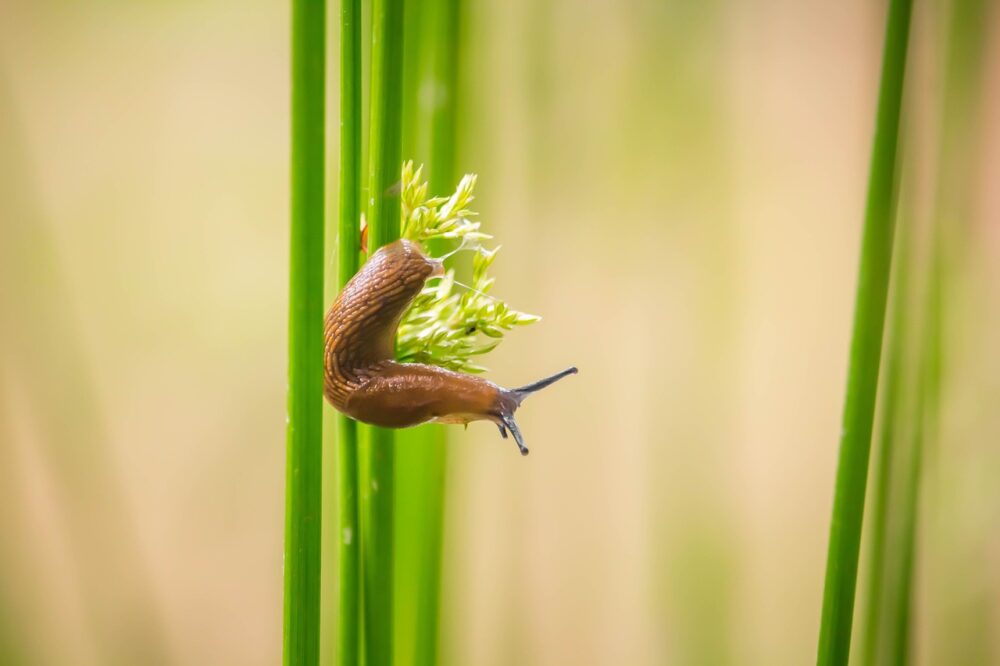
A Swansea-based company has secured a £650,000 funding boost to develop a world-first biological alternative to pesticides in the fight against slugs and snails.
Bionema Group, a spin-out from Swansea University, has been awarded the grant by Innovate UK as part of the Net-Zero Industry Launchpad: South West Wales programme.
The money will help fund an 18-month project to create a sustainable and environmentally friendly way of protecting crops from pests that cost UK farmers more than £100 million every year.
Slugs and snails are among the most damaging pests in agriculture, causing major losses in cereals, potatoes and oilseed rape.
[mid-content-banner]
Chemical slug pellets
Farmers have relied on chemical slug pellets to protect their crops, but many of these are toxic to wildlife, pollute soil and rivers, and are being phased out under environmental regulations.
Bionema’s alternative takes a different approach. The company is developing crop-protection pellets using natural compounds called Loline alkaloids, which are found in certain grasses and are known for their ability to deter insects.
These will work in two ways: as bait to directly kill slugs and snails, and by being absorbed into plants so that crops effectively become resistant from within.
The company says the product will be biodegradable, safe for wildlife, and could even help capture carbon – making it a climate-friendly alternative that supports net zero farming goals.
[lower-mid-content-banner]
Global potential
Dr Minshad Ansari, founder and chief executive of Bionema, said the funding would speed up development of a solution with global potential.
“This systemic molluscicide will not only protect crops and boost yields, but also contribute directly to healthier soils, carbon reduction and more sustainable farming practices,” he said. “It demonstrates how Welsh innovation can deliver solutions of global significance for food security and climate resilience.”
Bionema will work alongside Swansea University, Eurofins Agrotesting UK and Applied Insect Science to test and refine the product. Large-scale field trials across the UK will begin this year, with regulatory approval the next major hurdle.
The project is expected to generate £50 million in the UK and £100 million globally by 2035 if successful.
Dr Fawzi Belblidia, Technical Director at Swansea University’s ASTUTE research centre, said the partnership would strengthen Wales’ role as a leader in sustainable agriculture: “By combining Swansea University’s expertise with Bionema’s innovation, we are helping to develop a climate-smart solution that will benefit farmers, the environment and the Welsh economy.”
Support our Nation today
For the price of a cup of coffee a month you can help us create an independent, not-for-profit, national news service for the people of Wales, by the people of Wales.
Get more trusted Welsh news
Choose Nation.Cymru as a preferred source in Google News to see more of our journalism.
