


News
Bank of England policymaker says job losses will ‘restrain’ inflation rise
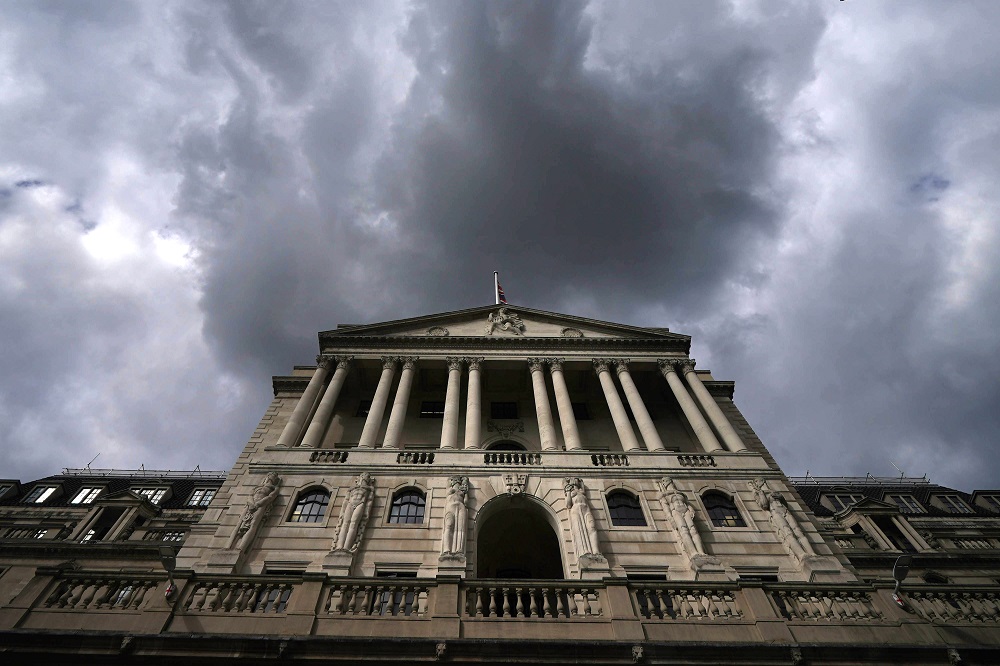
Price and wage rises across the economy will be hampered despite an expected spike in inflation this year because of a job market downturn, according to a Bank of England rate setter.
Policymaker Catherine Mann forecast a “further loosening of the labour market” in 2025, partly driven by extra company taxes announced in the October budget.
In a speech in Leeds, Ms Mann said this would follow a “non-linear” path, adding: “Already, the labour market has all but stopped adding jobs with employment nearly flat.”
[mid-content-banner]
Outlier
Ms Mann was speaking after she voted for a 0.5 percentage point cut to interest rates at the Bank’s February policy meeting.
The decision made her an outlier, with most rate setters opting for a 0.25 percentage point reduction.
The Bank also forecast that inflation – which measures price rises across the economy – is set to rise again this year, peaking at 3.7% in late summer.
Inflation only came back down to the Bank’s 2% target late last year after climbing to historic highs in most of 2022 and 2023.
[lower-mid-content-banner]
Jobs slowdown
Ms Mann said an increase in job cuts and slowdown in hiring “will restrain pass-through to wages and prevent second-round effects from setting in”.
She added that the increase in employers’ national employer contributions (NICs) was partly driving the jobs slowdown, saying some companies have “revised down their employment growth expectations significantly following the Budget announcement”.
She also attributed the weakening jobs market to “overall economic conditions, recent increases in the national living wage, and salient aspects of the Autumn budget such as the increase in employer national insurance contributions”.
Cost increases on companies will expose “cash flow vulnerability (which) is associated with job shedding”, she added.
Ms Mann said the forecast rise in inflation will come mainly from rises in water bills and other factors which are “not driven by underlying domestic inflationary pressures”.
As a result, this year’s projected increase does not necessarily mean prices across the broader economy will rise as sharply as the headline 3.7% annual rate forecast for this summer.
She said: “In a speech last February I said, ‘Do not be seduced by the deceleration in headline inflation’. This February I say, ‘Do not be dismayed by the hump… yet’.”
Her comments come after the Bank’s chief economist, Huw Pill, described Ms Mann’s vote for a half-point cut in the base interest rate as “rushing” last week.
Mr Pill said the Bank must be “gradual and careful” in cutting rates because of potential inflation.
He said on Friday: “Given what we know now, at least for me, the ‘gradual and careful’ would not lead us to be rushing to the more sizable moves in interest rates, even as some of our colleagues do.”
Explaining her decision to vote for a half-point cut, Ms Mann added: “It is not just the immediate policy decision that needs to be communicated. Providing insights on the future path matters for the activist policymaker.”
Support our Nation today
For the price of a cup of coffee a month you can help us create an independent, not-for-profit, national news service for the people of Wales, by the people of Wales.
Get more trusted Welsh news
Choose Nation.Cymru as a preferred source in Google News to see more of our journalism.
