


News
Assisted dying Bill to fall but issue not going away, say campaigners
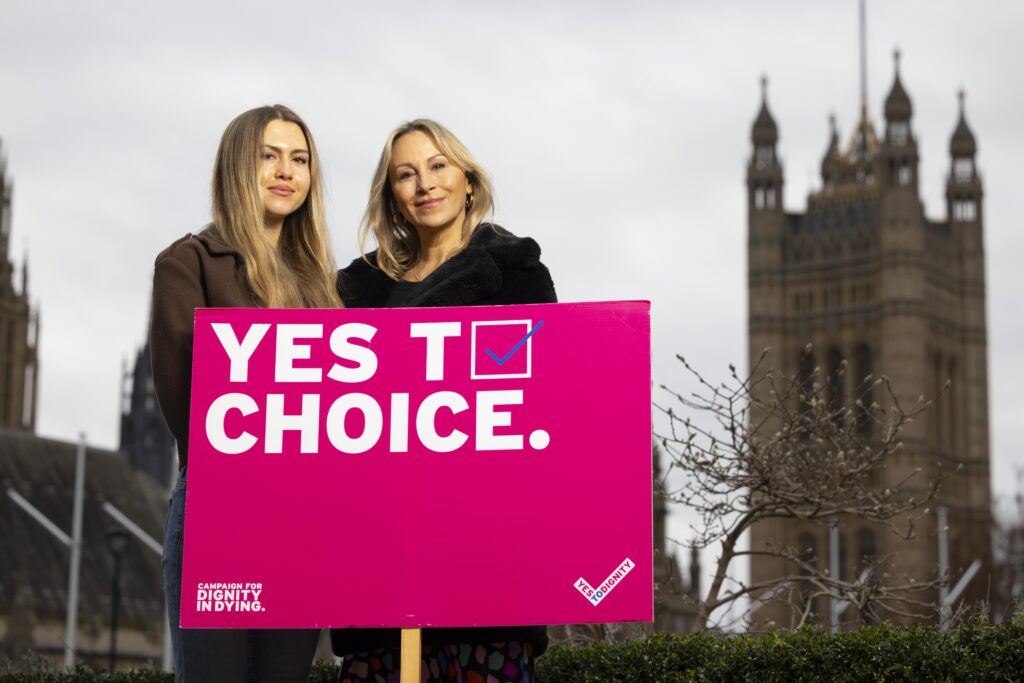
MPs have been told they must decide what happens next in the long-running and divisive debate on assisted dying, as an attempt to change the law formally fails on Friday.
Peers supportive of assisted dying shared their “regret” at the fall of the Terminally Ill Adults (End of Life) Bill, insisting Parliament “must come to a decision on choice at the end of life as soon as possible”.
But opponents have praised the House of Lords for “highlighting the fatal flaws in this dangerous and ill-conceived Bill”.
The Bill, which has been making its way through Parliament for the past year and a half, is expected to fall without a vote at the end of a debate in the upper chamber in its last scheduled sitting before the end of this session.
It had proposed allowing adults in England and Wales, with fewer than six months to live, to apply for an assisted death subject to the approval of two doctors and an expert panel.
More than 1,200 suggested changes – believed to be a record high number for a piece of backbench legislation – were tabled in the Lords to the Bill and it has now run out of time to complete its journey through Parliament.
Kim Leadbeater, who introduced the Bill to the Commons in late 2024 and celebrated it passing two votes by MPs, albeit with a narrower majority second time around, has vowed to enter a ballot to bring it back in the next parliamentary session.
On the eve of the Bill falling, she insisted she will “keep pushing for a safer, more compassionate law until Parliament reaches a final decision”.
A letter to MPs, which campaigners said was signed by almost 200 peers, said the Bill “will fall as a result of deliberate delaying tactics pursued by a minority of peers opposed to its passage”.
Of the amendments listed, more than 800 have been tabled or sponsored by seven peers.
The letter stated: “We regret that this failure will disappoint the overwhelming majority of people in this country who support a change to the law and were looking to Parliament to enact it.”
The peers’ letter noted no vote on the Bill had taken place in the Lords, and warned the “vital issue, which has wide public support, will not go away until it is resolved”.
They added: “It is now for the elected chamber to decide what should happen next. We believe Parliament must come to a decision on choice at the end of life as soon as possible.”
But Baroness Luciana Berger, a staunch opponent, has said it is “an absurd proposition” for campaigners to try to bring the same Bill back, saying this would set a “very dangerous precedent”.
Those opposed to the Bill have branded it “unsafe and unworkable” and “bad law”, citing their concerns around potential coercion of vulnerable people and a lack of safeguards for those with disabilities.
Gordon Macdonald, chief executive of campaign group Care Not Killing, which is opposed to a change in the law, said: “The House of Lords have done a remarkable job in highlighting the fatal flaws in this dangerous and ill-conceived Bill.”
Dame Esther Rantzen, a leading voice in the campaign to legalise assisted dying, accused peers opposed to the Bill of “condemning generations of terminally ill patients to die in agony”.
The broadcaster and Childline founder, who is terminally ill, said she is “bitterly disappointed” that some of those sitting in the House of Lords “have conspired to sabotage our democracy”.
Meanwhile, charities working in palliative and end-of-life care have warned Health Secretary Wes Streeting that momentum sparked by the national conversation on death must not be “wasted”.
Mr Streeting, who voted against the Bill in the Commons, is being urged by the specialist palliative care and hospice organisations to use this “critical moment” to bring about the improvement they say is much needed for dying people.
An open letter – from Age UK, Hospice UK, Marie Curie, Sue Ryder and Together for Short Lives – described this as a “critical moment to turn shared ambition into action and deliver the improvements in palliative and end-of-life care that patients and families urgently need”.
It stated: “The national conversation surrounding assisted dying has brought renewed attention to the urgent need for high-quality, accessible palliative and end-of-life care.”
Amendments listed for debate on Friday include age thresholds for multi-disciplinary assessments and patient awareness of non-lethal treatment options, but it is understood the focus could be on the process and how the Bill has ended up running out of time, rather than continued discussion on its contents.
Campaigners have said they could use the Parliament Act to get the Bill through if it was selected in the ballot of private members’ Bills in Parliament’s next session.
That Act, a rarely used piece of legislation, allows for Bills that have been backed by the Commons in two successive sessions but rejected by peers to pass into law without Lords approval.
Support our Nation today
For the price of a cup of coffee a month you can help us create an independent, not-for-profit, national news service for the people of Wales, by the people of Wales.
Get more trusted Welsh news
Choose Nation.Cymru as a preferred source in Google News to see more of our journalism.
