


News
£377m spent saving blast furnaces months after Port Talbot closure
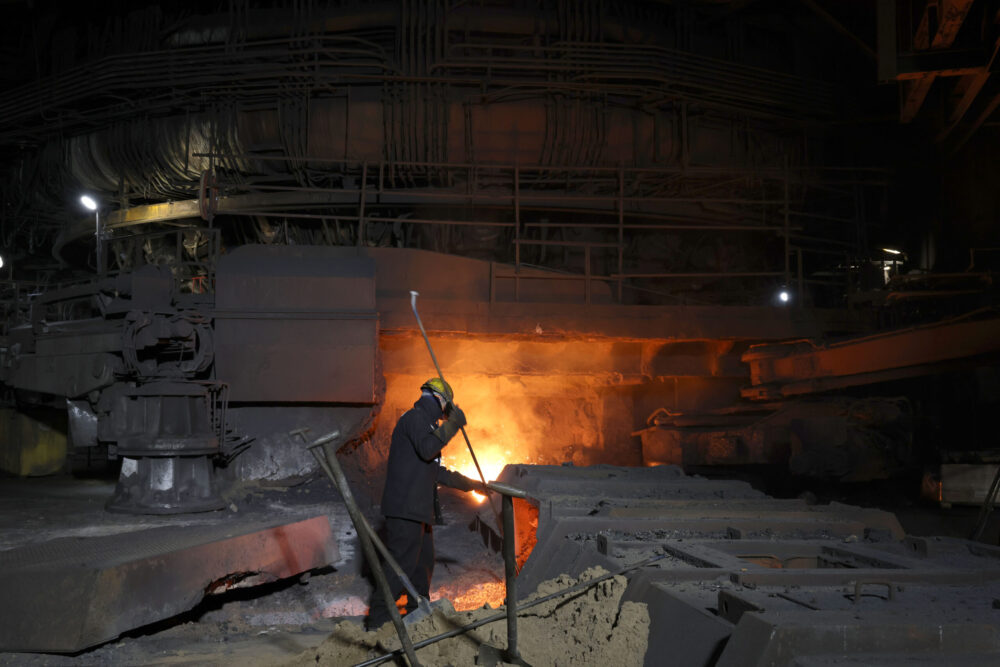
The UK Government spent £377 million to prevent the closure of the country’s last remaining blast furnaces at British Steel’s Scunthorpe plant, according to a new report.
The emergency intervention came less than a year after the shutdown of the final coal-fired blast furnace at Port Talbot, which ended more than a century of primary steelmaking at the UK’s largest steelworks.
A report by the National Audit Office (NAO) said the Department for Business and Trade (DBT) stepped in quickly in 2025 to keep the Scunthorpe furnaces operating, warning that their closure would have led to thousands of job losses and major disruption to key supply chains.
The £377 million spent between April 2025 and January 2026 has been classified as a loan, but the NAO warned that total costs could exceed £1.5 billion by 2028 if current spending levels continue.
Operating the furnaces is currently costing around £1.3 million a day, the report said, with no fixed budget, repayment schedule or clear end date for the government support.
British Steel’s owner Jingye had been in talks with the Government between 2022 and 2025 about switching the plant to electric arc furnaces, but no agreement was reached.
In March 2025 the company said it was losing around £700,000 a day due to difficult market conditions, tariffs and environmental costs and warned that it was considering closing the blast furnaces.
The NAO said this would have resulted in major job losses in Scunthorpe and would have affected key customers including Network Rail and other infrastructure projects.
Emergency legislation was passed allowing the Government to instruct the company to keep the furnaces operating while officials moved quickly to secure raw materials and maintain production.
Alongside the £377 million used to keep the plant running, £15 million has been spent on advisers and £359 million paid to British Steel to cover operational costs including raw materials, wages and other expenses.
The NAO estimates spending could reach £615 million by June and, if maintained at current levels, could exceed £1.5 billion by 2028.
It also said the Department for Business and Trade has not yet set out a repayment schedule and it remains unclear whether the company will be able to repay the loan.
Serious economic damage
Gareth Davies, head of the NAO, said the department acted quickly to prevent serious economic damage.
“DBT was able to act quickly to save British Steel’s Scunthorpe furnaces from closure, avoiding heavy job losses and serious impacts on major UK infrastructure and construction projects,” he said.
“However, the trade-off is the significant cost of maintaining operations, and uncertainty over how long this will continue.”
The intervention stands in contrast to developments at Tata Steel’s Port Talbot works, where the UK Government committed £500 million to support a transition to lower-emission electric arc furnaces after Tata warned it was losing around £1 million a day.
The closure of the blast furnaces at Port Talbot resulted in 2,800 job losses, with thousands more roles across the wider supply chain expected to be affected.
Alasdair McDiarmid, assistant general secretary of the Community union, said the Government had taken the right decision to support steelmaking.
“The Labour Government took decisive action to secure the blast furnaces at Scunthorpe, saving thousands of jobs in the process,” he said.
“Should the Government have sat on its hands and allowed British Steel to collapse, the financial and social impacts would have been catastrophic.”
Support our Nation today
For the price of a cup of coffee a month you can help us create an independent, not-for-profit, national news service for the people of Wales, by the people of Wales.
Get more trusted Welsh news
Choose Nation.Cymru as a preferred source in Google News to see more of our journalism.
